- Biotech
- Healthcare
- Pharmaceuticals
Moderna Returns to Profit as Overseas Sales Lift Its 2026 Outlook
9 minute read
A 29% rise in third-quarter revenue brought Moderna’s first profit in two years and a higher forecast, yet a valuation near $100 billion rests on a cancer therapy not yet approved.
Key Takeaways
- Revenue rose 29% to $1.313 billion and net income reached $162 million, as international sales more than doubled under government supply contracts while U.S. revenue held flat.
- Moderna now targets 15% to 25% growth for 2026, but $1.847 billion of nine-month revenue implies a fourth quarter of $389 million to $583 million, below last year’s $678 million.
- A $3.0 billion convertible lifted year-end cash guidance to $8.1 billion to $8.3 billion, funding oncology as the shares lean on intismeran, its Merck-partnered melanoma therapy.
A Quarter That Rewrote the Year
For most of the past two years, Moderna’s quarterly reports read as accounts of managed decline. The third quarter broke the pattern. Revenue rose 29% to $1.313 billion from $1.016 billion a year earlier, and the company earned $162 million, or $0.38 per diluted share, against a loss of $200 million in the same period of 2025. It was Moderna’s first profitable quarter since the third quarter of 2024, when it made $13 million. Analysts had expected a loss of roughly $1.10 to $1.25 per share on revenue near $890 million, which left their models more than $400 million short on the top line alone.
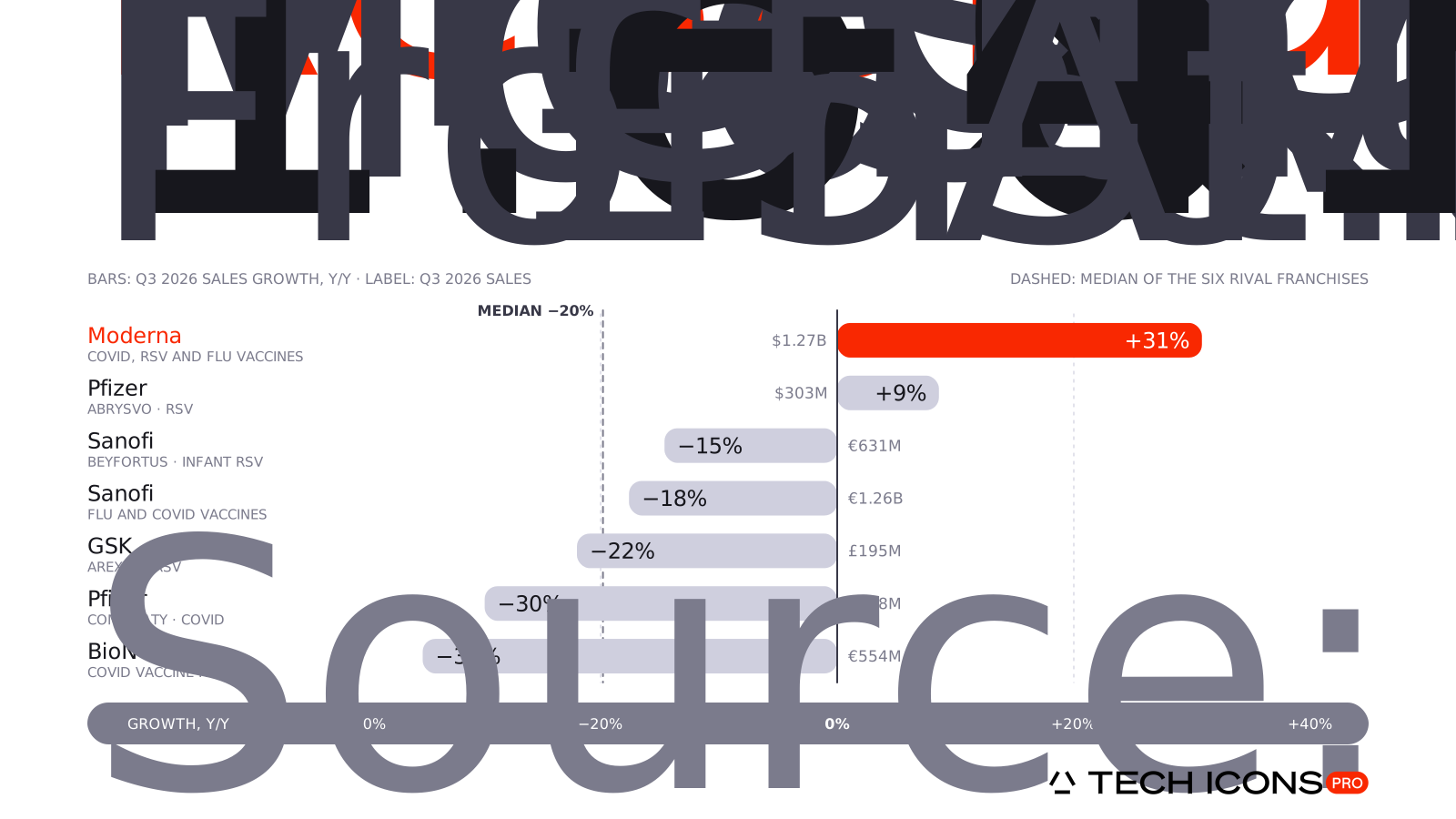
Where the money came from is the more instructive figure. U.S. revenue was $780 million, essentially level with the $781 million of U.S. COVID vaccine sales a year earlier. International revenue reached $533 million, more than double the prior-year level, as deliveries flowed under long-term agreements with the governments of the U.K., Canada and Australia, each supplied from in-country manufacturing. A five-year COVID vaccine agreement with a local manufacturer in Mexico, signed in September, extends the template. As American vaccination rates fell, Moderna exchanged one-off pandemic orders for recurring sovereign contracts, and that arrangement has become its most dependable source of growth.
Leaner Costs, Seasonal Profit
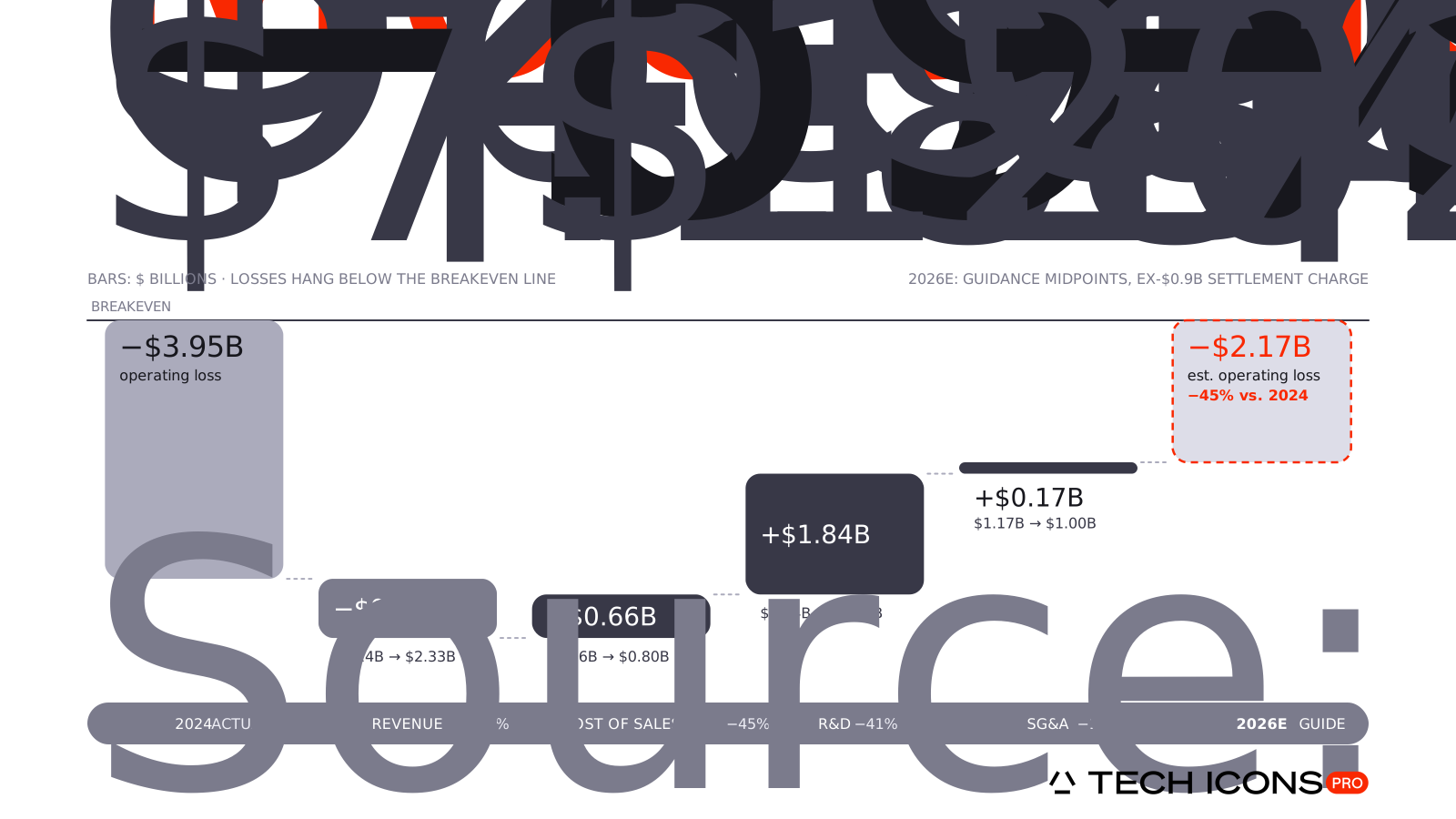
The profit owed as much to restraint as to revenue. Research and development spending fell 27% to $583 million as late-stage infectious disease trials wound down, while selling, general and administrative costs rose 5% to $282 million. Cost of sales climbed 54% to $318 million, including $65 million of third-party royalties, lifting it to about 25% of product sales from roughly 21% a year earlier. Operating income came to $130 million, against an operating loss of $260 million a year before.
Management has lowered its research budget twice since February. Guidance now stands at about $2.7 billion, down from $2.9 billion in July and $3.0 billion at the start of the year, while selling, general and administrative expenses hold near $1.0 billion. Cost of sales is expected at roughly $1.7 billion, inflated by a $0.9 billion one-time litigation charge. The calendar still governs the income statement: Moderna’s sales cluster in the autumn, and the company carries a nine-month net loss of $1.96 billion. Its stated aim is cash breakeven in 2028, and a profitable autumn quarter brings that target closer without settling it.
Guidance Raised, With a Softer Finish
Moderna raised its 2026 revenue growth target to 15% to 25%, from up to 10% previously. Applied to 2025 revenue of $1.944 billion, the range implies sales of about $2.24 billion to $2.43 billion, which places even the low end above the old ceiling of roughly $2.14 billion.
“Building on this momentum, we increased our full-year revenue growth outlook to 15%-25%.” Stéphane Bancel, Chief Executive Officer
The numbers under the headline are more sober. With $1.847 billion booked through September, the range leaves $389 million to $583 million for the fourth quarter, 14% to 43% below the $678 million of a year earlier. In July, management expected about 55% of second-half revenue to land in the third quarter; on the new range the share is 69% to 77%. That suggests part of the beat reflects deliveries arriving early rather than demand added to the year. New products offer little cushion this season. The FDA approved the mFLUSIVA flu vaccine on August 5, six months after refusing to review its application, but the approval came after the annual contracting cycle and limits the U.S. launch. An interim Phase 3 analysis of the norovirus vaccine also missed its criteria for early success. With Health Canada approving mFLUSIVA and the combined flu and COVID shot mCOFLU, which the EU authorized as mCOMBRIAX, 2027 becomes the first full season to test the broader respiratory portfolio.
A Balance Sheet Rebuilt While the Window Was Open
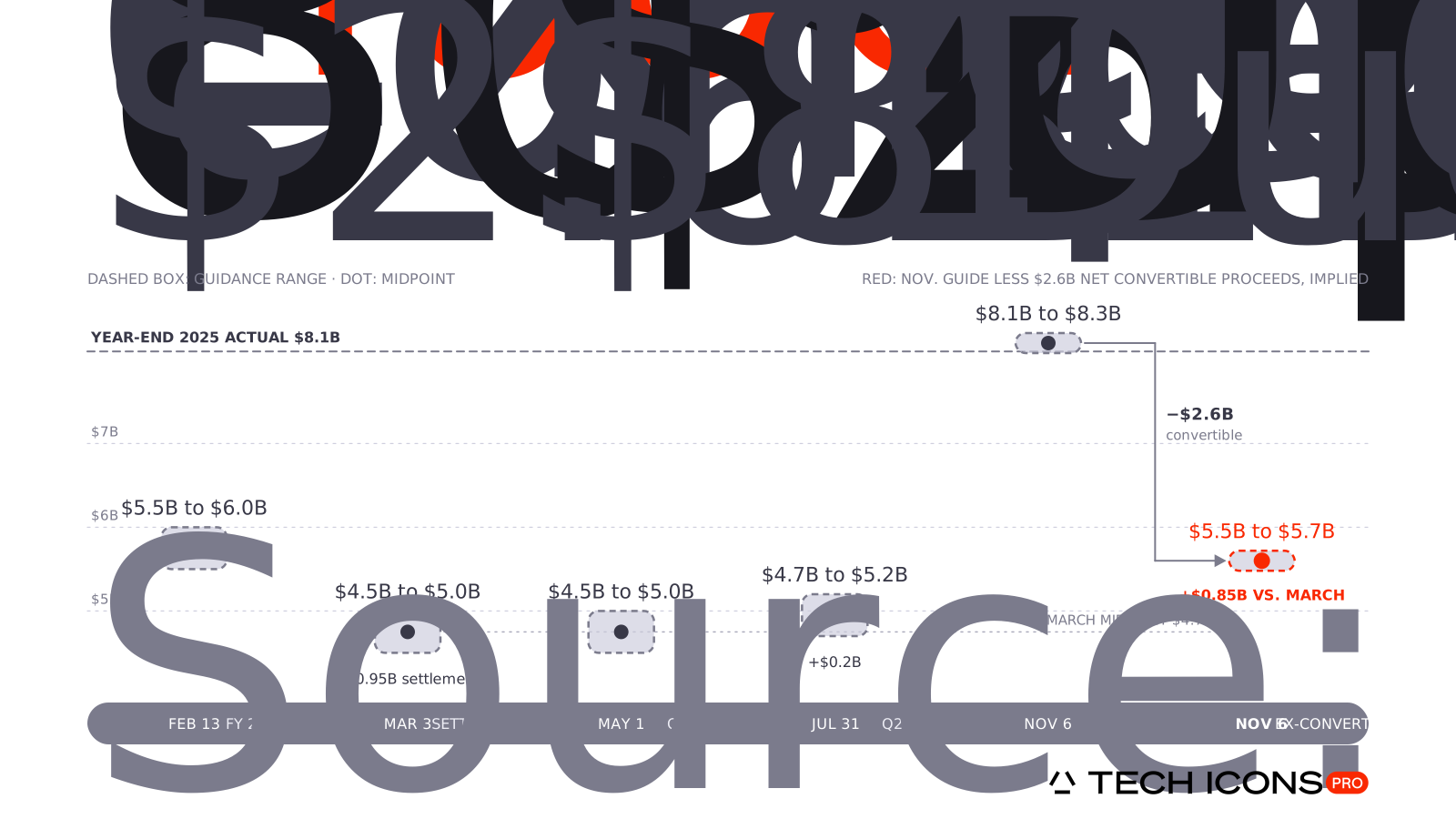
Cash, cash equivalents and investments rose to $8.0 billion at September 30 from $6.9 billion at the end of June, and the increase came from the capital markets rather than from operations. On September 1, roughly two weeks after the melanoma readout re-rated the stock, Moderna closed a $3.0 billion offering of zero-coupon convertible notes due 2032, which its legal advisers called the largest healthcare convertible in two decades. The conversion price of about $210.58 carried a 47.5% premium to the reference share price, and net proceeds after capped calls and fees were about $2.6 billion. Those inflows absorbed the $950 million paid to Arbutus Biopharma and Genevant Sciences to settle lipid nanoparticle patent litigation. They also covered a seasonal rise in receivables to $1.37 billion, since most third-quarter sales had yet to be collected.
Year-end cash guidance rose to $8.1 billion to $8.3 billion from $4.7 billion to $5.2 billion. At the midpoints that is an increase of about $3.25 billion, of which the convertible supplies roughly $2.6 billion, leaving an operating improvement of about $0.65 billion. The financing carries a cost that is no longer abstract. Diluted shares reached 430 million in the quarter against 401 million basic, and the stock now trades above the conversion price, a dilution the capped calls are meant to mitigate rather than eliminate. The legal ledger is cleaner. An October 28 agreement with GSK settled all pending U.S. and European disputes through cross-licenses with no payments, although the Arbutus settlement still carries a contingent payment of up to $1.3 billion if a federal appeals court affirms Moderna’s liability.
The Market Is Pricing the Pipeline
The share price now answers to the pipeline more than to the income statement, and the week’s trading made that plain. The stock jumped 13.1% on November 4 after the World Health Organization recommended its Ebola vaccine candidate for a Phase 2/3 trial, then fell 6.6% to $241.46 on the eve of results. On Friday it was up more than 13% before the open, near $274, but the gain faded once regular trading began, with shares moving between about $236 and $255 in early dealings. Moderna has risen more than 700% this year from a 52-week low of $22.28 set in November 2025, for a market value of roughly $100 billion, more than 40 times the revenue it now expects for 2026. Wall Street remains divided: the average one-year price target sits near $138, and Citigroup cut its rating to sell, calling the valuation “unjustifiable.”
That valuation rests chiefly on intismeran, the individualized neoantigen therapy Moderna is developing with Merck. In the Phase 3 INTerpath-001 trial in resected high-risk melanoma, adding intismeran to Keytruda cut the risk of recurrence or death by 42%, with two-year recurrence-free survival of 82.2% against 70.0%. The reduction widened to 58% beyond the six-month immunization period. The results, accepted by The New England Journal of Medicine, still unsettled investors when they leaked ahead of the ESMO congress. The shares closed 17.3% lower at $202.63 on October 22, partly because the effect trailed the 49% reduction seen in the Phase 2b study. Bancel called it a “surprising reaction.” The third quarter shows a respiratory business able to fund more of the oncology build-out. Justifying the valuation will take regulatory filings, a launch whose economics are shared with Merck, and readouts in other tumor types. Management’s first chance to make that case in full comes at its Analyst Day on November 12.