
- AI Travel
- Consumer Platforms
- Earnings Report
Airbnb Reaccelerates at Scale as Online Travel Rivals Lose Momentum
9 minute read
Revenue rose 19% to $4.87 billion and nights booked grew 16%, more than twice the pace of Booking and Expedia, as a new $12 billion buyback lifted the shares about 10% after hours.
Key Takeaways
- Nights and Seats Booked rose 16% to 155 million in Q3 2026. That is up from 10% growth in Q2 and well ahead of the 7% room night growth Booking Holdings and Expedia each reported.
- Net income climbed 38% to $1.89 billion, though a prior-year tax charge flatters the comparison. Pre-tax income grew 21%, and the Adjusted EBITDA margin widened to 52% from 50%.
- Reserve Now, Pay Later lifts volume at a cost: the take rate slipped to 17.6% and the free cash flow margin to 29%. A raised outlook and $14.7 billion of buyback capacity offset the trade.
Growth Returns at Scale
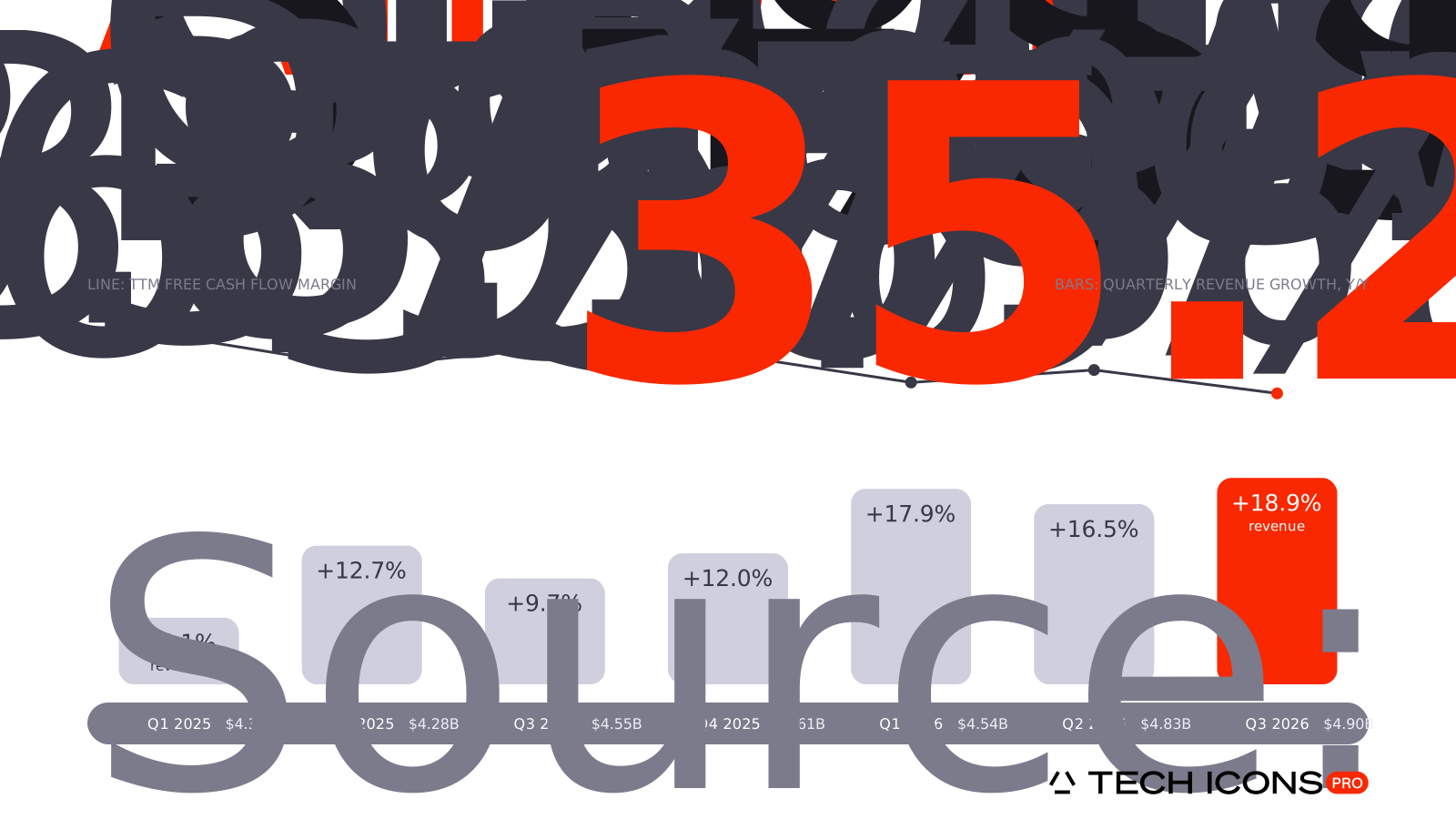
Mature marketplaces are not supposed to speed up. They saturate their core, lean on pricing, and settle into the steady rhythm of a utility. Airbnb’s third quarter broke that pattern. Revenue rose 19% to $4.87 billion in the three months to September 30. That cleared the top of the company’s own $4.69 billion to $4.77 billion range and the roughly $4.75 billion Wall Street expected. Stripped of currency effects, growth was still 16%. Diluted earnings per share reached $3.16 against a consensus near $2.85. Adjusted EBITDA rose 22% to $2.51 billion, a margin of 52%.
The comparison with a year ago is what gives the quarter its weight. In the third quarter of 2025, Airbnb grew revenue 10% and missed earnings estimates, and investors had largely filed it as a lodging platform with its best years behind it. Management now calls this its fastest revenue growth in more than three years, noting in its shareholder letter that “it’s rare for a marketplace of our size to reaccelerate growth.” The board put capital behind the claim. It authorized up to $12 billion in additional share repurchases, on top of $2.7 billion left under the existing program.
More Trips, Not Higher Prices
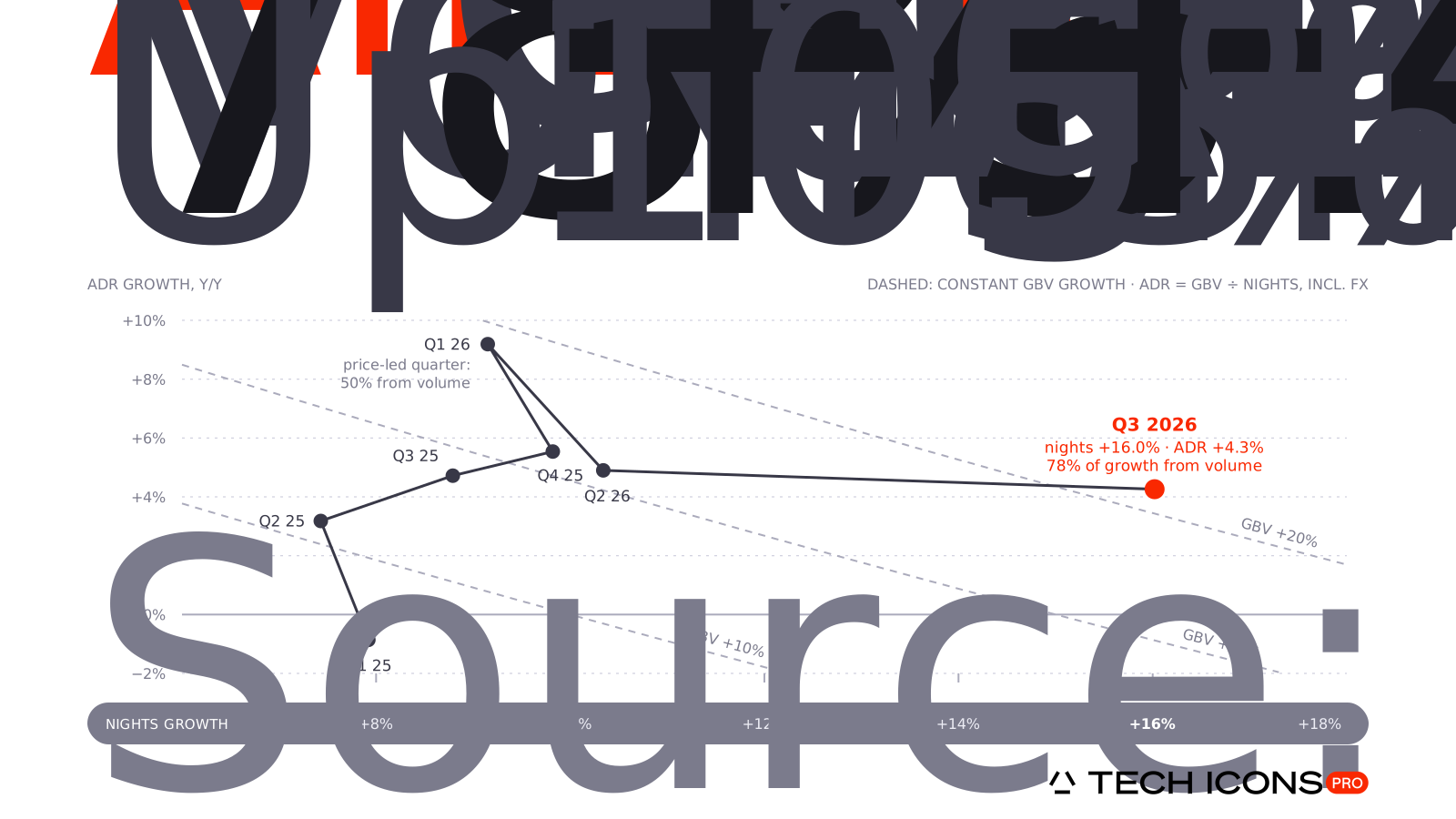
What sets the quarter apart is where the growth came from. Nights and Seats Booked rose 16% to 155 million, up from 10% in the second quarter and 9% a year earlier. Gross Booking Value increased 21% to $27.7 billion, while the average daily rate rose only 4% to about $179. This was a volume story, not a pricing one, and that matters for how long it can last. Demand built on more travelers tends to hold up better than revenue built on higher rates.
The breadth was equally telling. North America, Airbnb’s most established market, posted low-double-digit growth in nights, its strongest rate in four years. EMEA accelerated to the mid-teens, and Latin America and Asia Pacific each grew more than 20%. First-time bookers rose 13%, the fastest increase since early 2022. They were up about 35% from Japan and more than 80% from India. The app now accounts for 66% of nights booked, up from 62%, a quiet but valuable shift toward direct, lower-cost demand.
A Widening Gap With Peers
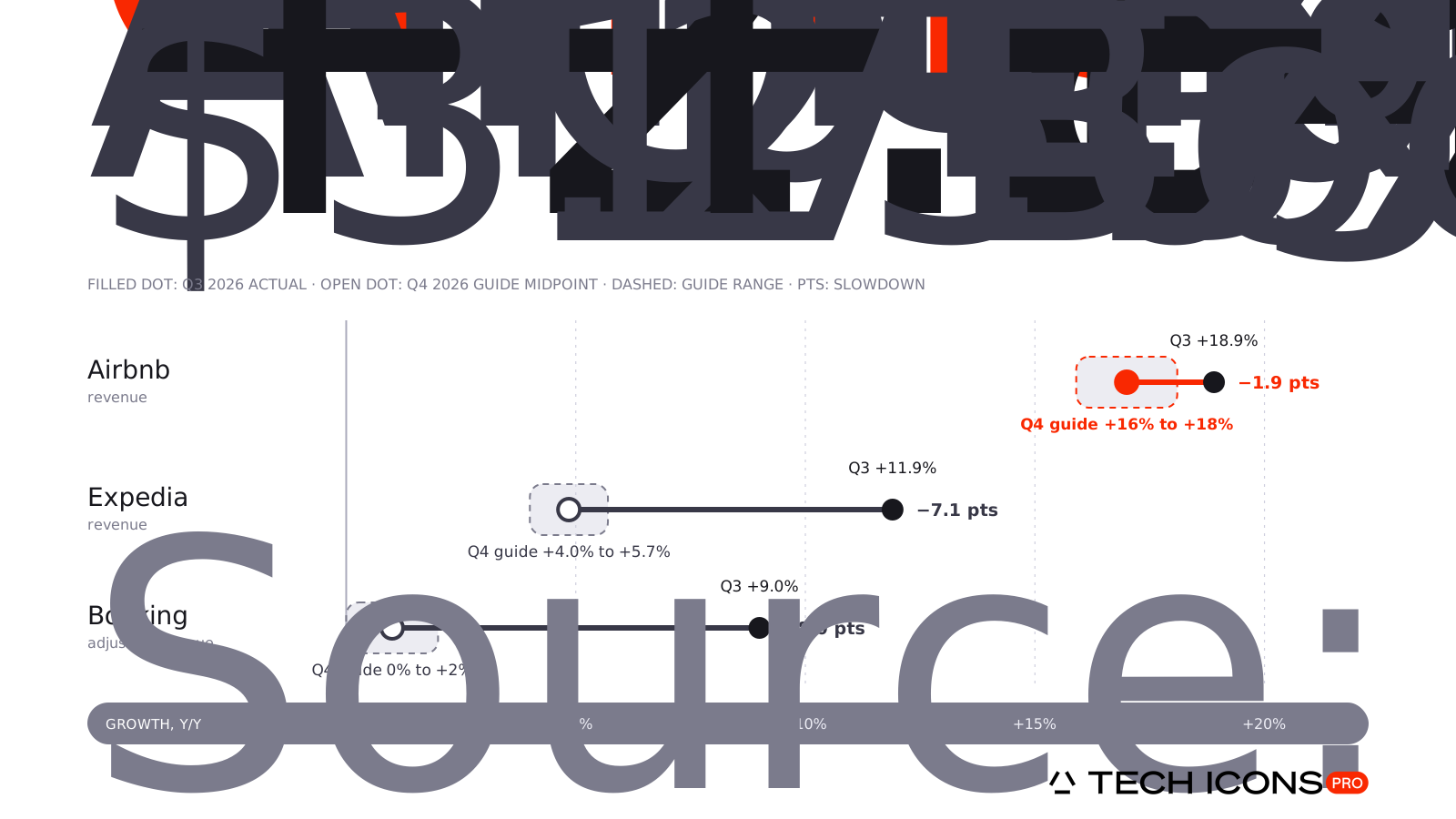
Against the rest of online travel, the numbers look starker still. Booking Holdings reported 7% room night growth for the quarter, with alternative accommodation nights at Booking.com also up 7%. Expedia grew booked room nights by the same 7%. Gross bookings rose 10% at Booking and 11% at Expedia, roughly half Airbnb’s 21%. Airbnb’s metric now includes seats for experiences and services, so the comparison is imperfect. Still, a gap of this size points to real share gains in homes rather than a difference in accounting.
The backdrop makes the divergence more striking. Booking’s quarterly filing noted that the Middle East conflict continued to weigh on demand, with international room nights growing more slowly than domestic ones. Booking has also said it assumes the direct and indirect effects of that conflict will persist through year-end. Airbnb, by contrast, delivered mid-teens growth in EMEA, the region most exposed to those disruptions, while saying it is watching conditions there closely.
The Price of Flexibility
Acceleration has not come free. The largest cost stems from Reserve Now, Pay Later, the deferred-payment option introduced in the United States last year and expanded since. Guests are booking further ahead, which inflates Gross Booking Value before revenue is recognized and delays the cash. The implied take rate eased to 17.6% from 17.9%, and unearned fees fell to $1.5 billion. Free cash flow rose just 6% to $1.43 billion, with the margin narrowing to 29% from 33%. Trailing twelve-month free cash flow still reached $4.9 billion, and management expects the take rate to edge higher year over year in the fourth quarter.
Headline profit also needs a careful read. Net income rose 38% to $1.89 billion, but the tax provision fell $135 million to $283 million. Part of that fall came because the prior-year quarter carried a $213 million valuation allowance tied to the corporate alternative minimum tax. On a pre-tax basis, income grew about 21%, in line with revenue. The underlying leverage is real all the same. Operating income rose 24% to $2.02 billion, product development costs grew 13%, and sales and marketing rose in step with revenue. Artificial intelligence is showing up in the cost base: about 40% of customer support issues are now resolved without a human agent, and support cost per booking fell more than 17%.
Building Beyond the Bed
Management is putting those savings into reach. Airbnb shipped more than 50 products and features in the quarter, nearly 70% more than a year earlier. Car rentals, launched in the summer, have become one of its most popular services. Grocery delivery has expanded into Europe, and in late September the company announced meal delivery, laundry and baby gear. Hotels remain a single-digit share of nights. Even so, about 35% of guests whose first Airbnb booking is a hotel later book a home, which suggests hotels work as an entry point rather than a diversion.
Distribution is broadening as well. On October 22, American Express made Airbnb the exclusive vacation rental supplier to Amex Travel. More than one million listings went in front of eligible U.S. cardholders, and Amex closed its own rental product the same day. The arrangement gives Airbnb access to an affluent customer base through a channel it did not have to build. The bigger bet arrives in the first half of 2027, when Airbnb plans to launch an AI travel agent for guests. The aim is to own trip planning before general-purpose assistants claim that ground.
How the Market Read It
Thursday’s trading showed the gap between Airbnb and its sector. During the regular session the stock fell 3.5% to $170.13 as travel shares sold off behind Expedia. Expedia dropped nearly 13% after guiding fourth-quarter revenue and EBITDA below estimates. Once Airbnb’s results were out, the shares rose about 10% in extended trading, according to Reuters, with quotes near $189. That put the stock close to its 52-week high of $193.45 and above the average analyst price target of about $184.
Guidance gives the move firmer footing than relief alone. Airbnb expects fourth-quarter revenue of $3.22 billion to $3.28 billion, growth of 16% to 18%, against a FactSet consensus near $3.16 billion. Full-year revenue growth is now guided to the high teens, implying about $14.4 billion in sales, with an Adjusted EBITDA margin of roughly 36%. It is the third upgrade of the year from a February outlook of at least low double-digit growth. The fourth-quarter margin is expected to dip slightly because of when marketing spend falls, and the valuation now leaves less room for error. Buybacks have already cut the diluted share count about 4% to 597 million. With $14.7 billion of repurchase capacity in hand, roughly three years of free cash flow, Airbnb enters 2027 with something its peers lack: momentum it can measure.