
- AI Travel
- Earnings Report
- Hospitality
- TravelTech
Booking Holdings Outruns Its Forecast as a $1 Billion FTC Bill Lands
9 minute read
Room nights rose 7% and adjusted EPS 17%, well above guidance, but a charge tied to a federal consumer protection case pushed reported revenue lower and a guarded fourth-quarter outlook tempers the beat.
Key Takeaways
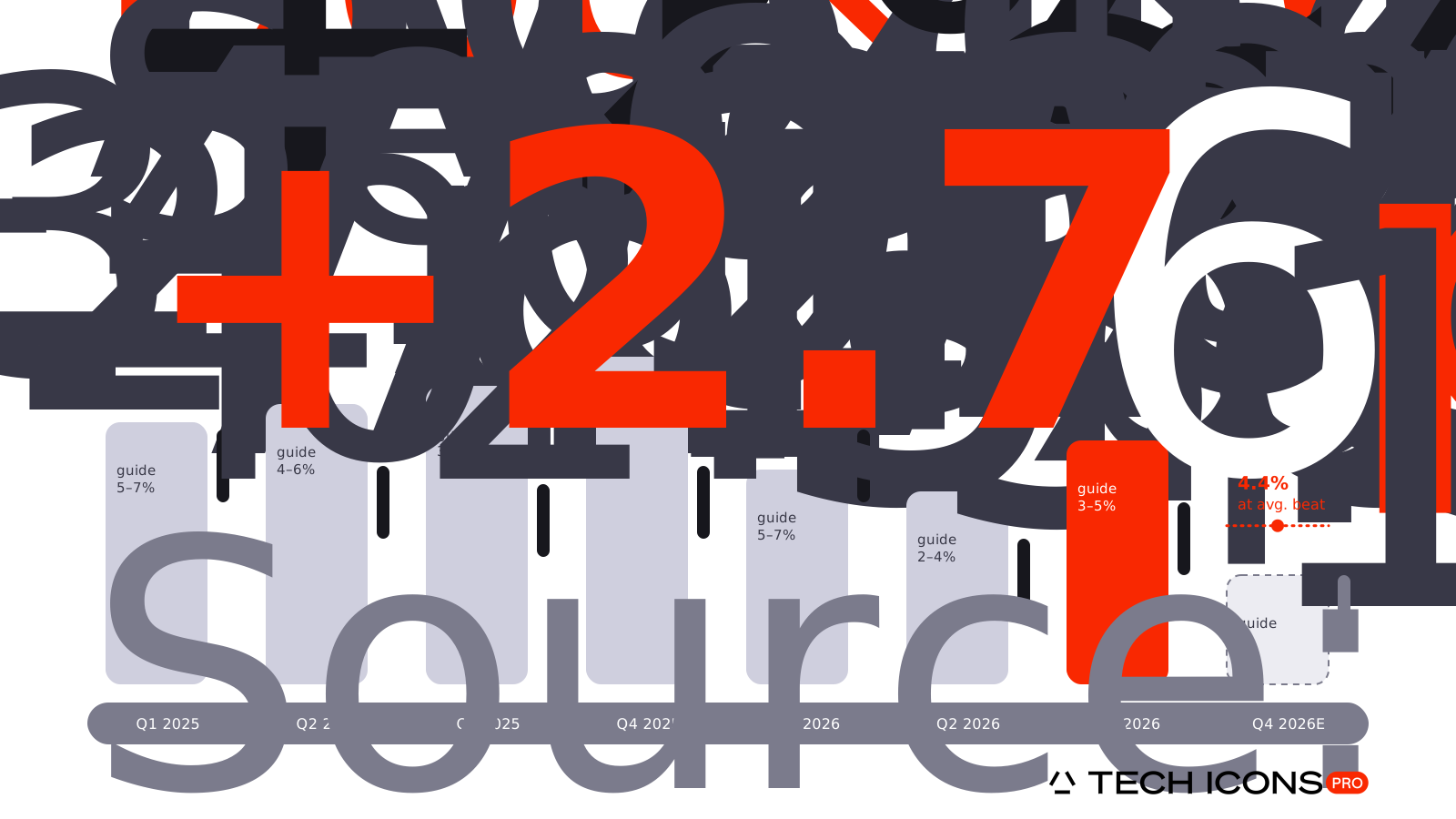
- Gross bookings rose 10% to $54.5 billion and room nights 7% to 345 million. Both finished far above the 4% to 6% and 3% to 5% ranges Booking set in August, as domestic travel held firm.
- A $900 million revenue reduction and a $100 million accrued loss tied to the FTC’s Priceline case left GAAP revenue down 1% at $8.9 billion, while adjusted revenue rose 9% to $9.8 billion.
- Fourth-quarter guidance calls for room nights up 1% to 3% and flat adjusted EBITDA after October demand softened. Full-year targets hold only because the fourth quarter is guided sharply lower.
A Quarter That Ran Ahead of Plan
Booking Holdings has spent most of 2026 being priced as a company in retreat. Its third-quarter results, released after the close on November 3, described a business that is not. Room nights rose 7% to 345 million, and gross bookings climbed 10% to $54.5 billion, or roughly 11% in constant currency. Adjusted EBITDA increased 9% to $4.6 billion, and adjusted earnings per share rose 17% to $4.66. Three months ago, management guided to room-night growth of 3% to 5% and to gains of 4% to 6% in gross bookings and adjusted EBITDA. Every one of those measures finished comfortably above the top of its range, in a quarter shaped by war in the Middle East, expensive airfares and thinner long-haul capacity.
Whether that counts as a beat depends on which revenue line the reader trusts. Adjusted revenue of $9.8 billion, up 9%, cleared the $9.54 billion consensus, and adjusted EPS topped the $4.49 estimate by nearly 4%. Reported revenue of $8.9 billion, down 1%, fell short, and the first automated summaries duly logged a miss. Chief Executive Glenn Fogel pointed to “resilient travel demand and disciplined execution.” The gap between the two figures did not come from travelers. It came from Washington.
The Billion-Dollar Footnote
Booking recorded a $900 million reduction in revenue and accrued a further $100 million loss tied to a Federal Trade Commission matter, removing both from its adjusted measures. Gross bookings were untouched. The exposure had been flagged. In its second-quarter 10-Q, the company disclosed that FTC staff told Priceline in July they intended to recommend a complaint against it and a business-to-business affiliate partner over disclosures, fees, customer support and billing. Priceline disputed the agency’s position and continued talks. In October, Reuters reported that the inquiry centered on Guest Reservations, a third-party site that draws hotel inventory through Priceline Partner Solutions. One source put potential penalties above $500 million.
Two features of the charge deserve more attention than its size. The provision is roughly twice the figure that circulated in October. And 90% of it was booked against revenue rather than operating expense, the treatment accounting rules generally reserve for money returned to customers. That points toward consumer redress as the main form of resolution, although the release gives no terms or timing and refers readers to footnote 13 of the quarterly filing. The financial damage is contained: GAAP net income slipped only 1% to $2.7 billion, partly because last year’s third quarter carried a $457 million KAYAK impairment. The harder question is whether a resolution limits how Priceline supplies hotel rooms to partner sites, a channel Booking does not report separately. Regulators in Spain and Italy are meanwhile still examining Booking.com’s own practices.
Merchant Mix and the Arithmetic of Buybacks
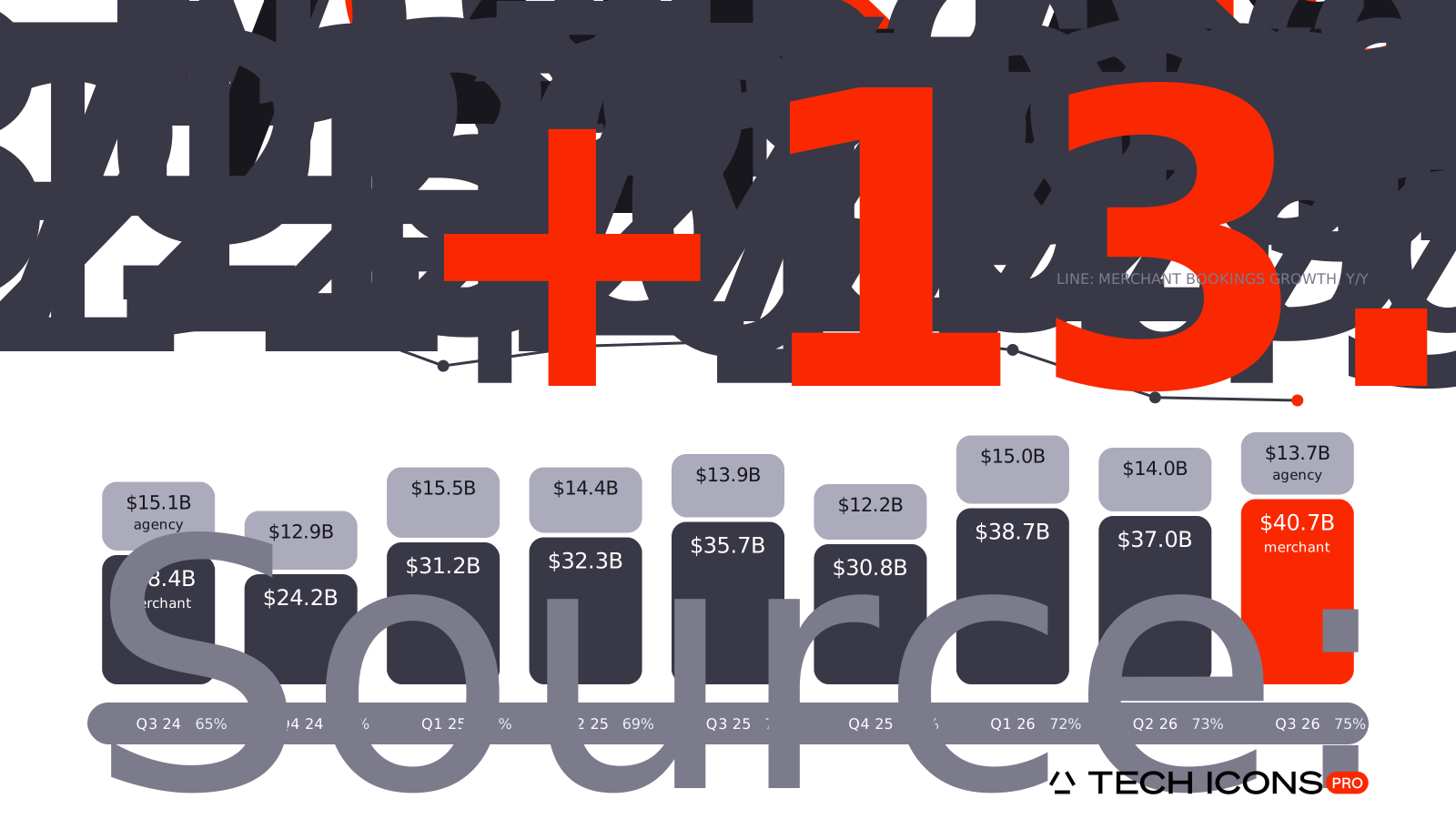
The structural shift beneath the headline continued. Merchant gross bookings, where Booking collects payment and manages the transaction, rose 14% to $40.7 billion, while agency bookings fell 1% to $13.7 billion. Merchant now accounts for roughly three-quarters of volume, and the mix carried straight into revenue. Merchant revenue grew about 14% to $7.0 billion, agency revenue fell about 4% to $2.5 billion, and advertising and other revenue rose 8% to $332 million. Controlling the payment gives Booking the data, the margin levers and the customer relationship its Connected Trip strategy depends on. Pricing offered little help: accommodation daily rates rose about 3% in constant currency, and alternative accommodation room nights at Booking.com grew 7%, matching rather than leading the group.
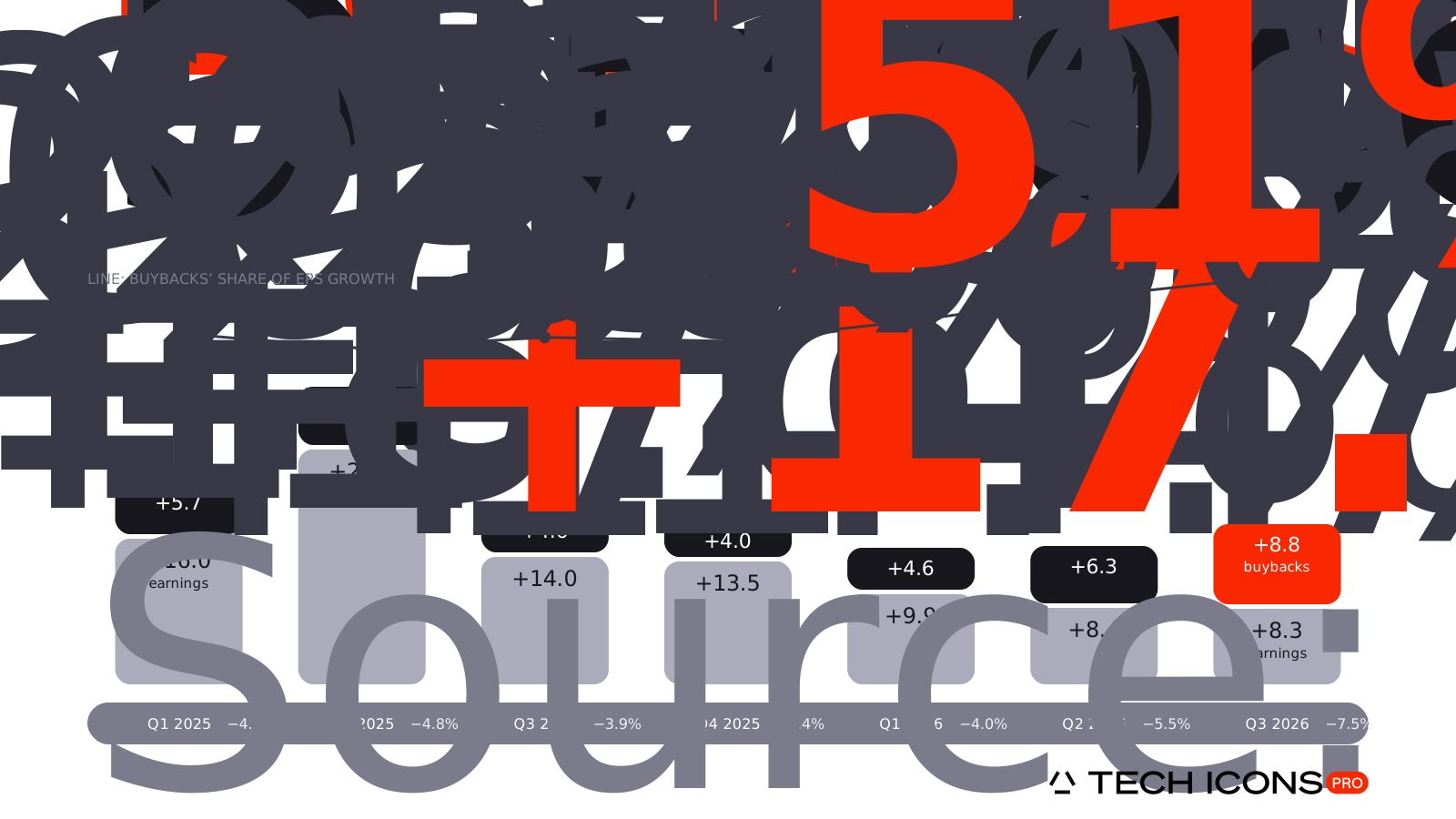
The per-share figures have a second engine. Adjusted net income rose 8%, yet adjusted EPS rose 17%, because diluted shares fell to 753 million from 814 million a year earlier. Booking repurchased $2.1 billion of stock in the quarter and $9.9 billion so far this year, with $12.4 billion of authorization left. The adjusted EBITDA margin held at 47.0%. Free cash flow was $1.1 billion in a seasonally lighter quarter, down 22%, and $7.8 billion year to date, up 2%. Buybacks and nearly $1 billion of dividends have outpaced that cash. Cash and equivalents fell to $15.8 billion from $17.2 billion at year-end, while total debt rose to about $20.1 billion from $18.7 billion. The balance sheet can carry it, but the pace of buybacks is now partly funded with debt.
A Guarded Fourth Quarter
The outlook marks a change in tone. Booking expects fourth-quarter room nights to grow 1% to 3% and gross bookings 2% to 4%, or 4% to 6% in constant currency. It sees adjusted revenue up 0% to 2% and adjusted EBITDA roughly flat, with currency taking about two points off revenue growth. Management said demand moderated toward the end of the third quarter. October was then hit by disruption to travel to and from the Middle East, elevated airfares and localized unrest in several European cities. The forecast assumes those pressures last through year-end, even as domestic travel has held up.
Full-year guidance remains high single-digit growth in gross bookings, adjusted revenue and adjusted EBITDA. The arithmetic is revealing: a third quarter that ran several points ahead of plan leaves the annual range unchanged only because the fourth quarter is guided sharply lower. Booking has set cautious ranges all year and beaten them in each of the past two quarters, so investors will be tempted to treat this one as a floor. This time, though, the warning rests on what the company saw in October rather than on general caution, which makes that habit harder to rely on.
What the Market Is Pricing
The shares came into the report at a steep discount. BKNG closed at $155.67 on November 3, up 1.25%, after rising nearly 4% on Monday as lower oil prices lifted travel stocks. In late October the stock was down about 30% for the year and well below the $212 it reached after second-quarter results. Options implied a move of about 6.3%. Analysts had already lowered their sights: Cantor Fitzgerald cut its target to $170 from $220, Goldman Sachs to $180 from $225 and Jefferies to $185 from $200, while Evercore ISI raised its target to $270. A strong operating quarter, a regulatory charge larger than expected and a subdued fourth-quarter guide give bulls and bears alike something to point to.
Artificial intelligence frames the longer debate. Booking.com was among the first apps inside ChatGPT. In August, Google began rolling out hotel booking in AI Mode for US users, with Booking.com and Priceline among its launch partners. Management told investors in August that AI assistants account for well under 1% of room nights, and this week’s release stressed working with AI platforms rather than competing against them. The bet is that AI agents will still need someone to hold the inventory, process the payment and fix the trip when something goes wrong, which is exactly what Booking has spent two decades building. The third quarter showed that demand and execution are intact. What keeps the valuation low are questions of regulation, geopolitics and distribution that one strong quarter cannot answer.