- Quantum & Chips
Taiwan Bans Tech Exports to Huawei and SMIC Over Security
6 minute read
Taiwan’s Semiconductor Export Restrictions Target Chinese Tech Firms Amid Rising Global Tensions Over Chip Technology Control
Three Key Facts
- Taiwan adds Huawei and SMIC to its “Strategic High-Tech Commodities Entity List,” requiring Taiwanese firms to obtain government licenses before exporting technology to these Chinese companies
- TSMC faces potential $1 billion fine from U.S. authorities after discovery of its manufactured chip in Huawei’s AI training card, prompting halt of shipments to Chinese clients
- Huawei reports record revenue of $118.8 billion in 2024 but sees net profit drop 28% to $8.63 billion amid rising operational costs and compliance pressures
Introduction
Taiwan has placed Huawei and SMIC on its export control blacklist, marking a significant escalation in the global semiconductor war and deepening the island’s alignment with U.S. trade policies. The Taiwan International Trade Administration adds both Chinese tech giants to its “Strategic High-Tech Commodities Entity List,” citing arms proliferation activities and national security concerns.
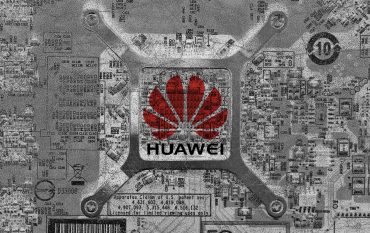
The decision requires all Taiwanese companies to obtain government licenses before exporting goods, technology, or services to Huawei, SMIC, or their subsidiaries. Taiwan’s action follows the discovery of a Taiwan Semiconductor Manufacturing Company chip embedded in a Huawei AI processor, which prompted TSMC to halt shipments to Chinese clients and triggered a U.S. investigation.
Key Developments
The blacklisting stems from revelations that TSMC-manufactured silicon appeared in Huawei’s AI training cards despite existing export restrictions. TechInsights identified the TSMC-made chip in Huawei’s equipment, leading the U.S. Commerce Department to order TSMC to cease supplying chips used for AI services to Chinese clients.
TSMC now faces a potential $1 billion fine to settle the U.S. investigation into the matter. The Taiwanese chipmaker had already suspended shipments to Chinese firms linked to Huawei’s AI chip production as compliance measures intensified.
Taiwan’s updated list encompasses 601 total entities from multiple countries, including Russia, Pakistan, Iran, and Myanmar. The additions include Huawei units in Japan, Russia, and Germany, demonstrating the global scope of the restrictions.
Market Impact
The immediate financial impact on TSMC remains limited, as the company already complies with U.S. export controls and had previously suspended relevant shipments. However, smaller Taiwanese integrated circuit design houses and component suppliers face increased scrutiny and higher compliance costs.
Huawei reports mixed financial results amid the restrictions. The company achieves record revenue of $118.8 billion in 2024, representing a 22.4% year-over-year increase. Yet net profit drops 28% to $8.63 billion due to declining other income and rising operational costs from ongoing compliance and technology investments.
The broader Taiwanese tech sector experiences heightened regulatory pressure as authorities close potential loopholes that previously allowed indirect technology transfers to Chinese companies.
Strategic Insights
Taiwan’s decision accelerates the bifurcation of global technology supply chains, with the U.S., Taiwan, and allied countries tightening export controls while China pursues domestic semiconductor capabilities. The island produces more than half of the world’s semiconductors, including nearly all high-end chips, making its policy alignment strategically significant.
The restrictions target crucial technologies including plant equipment and chip-making supplies, intensifying barriers to China’s AI and semiconductor advancement goals. Huawei continues developing alternatives to Nvidia’s processors for AI applications, though experts indicate progress remains limited by export controls and domestic ecosystem constraints.
Paul Triolo from DGA-Albright Stonebridge Group suggests Huawei previously exploited loopholes to acquire millions of GPU dies from TSMC before detection. The new restrictions aim to eliminate such circumvention opportunities through enhanced enforcement mechanisms.
Expert Opinions and Data
Industry analysts view Taiwan’s move as carrying significant symbolic weight beyond immediate commercial impact. Brady Wang of Counterpoint Research emphasizes that the restrictions will increase scrutiny on smaller Taiwanese component suppliers and create tighter compliance obligations across the sector.
Ray Wang, an independent semiconductor analyst, describes the blacklist as intended to close regulatory loopholes and establish stiffer penalties for future violations. According to Quartz, both companies already face U.S. export restrictions through the Commerce Department’s Entity List.
Huawei invests $24.76 billion in research and development in 2024, representing 20.8% of revenue, as the company attempts to develop domestic alternatives amid Western restrictions. Company founder Ren Zhengfei acknowledges that Huawei’s chips “lag behind the United States by one generation” despite significant investment efforts.
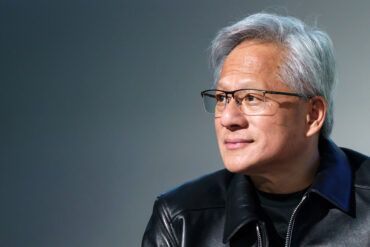
Nvidia CEO Jensen Huang notes that export controls have spurred Chinese firms to accelerate development while acknowledging a $15 billion revenue loss from restricted access to China’s AI market.
Conclusion
Taiwan’s blacklisting of Huawei and SMIC represents a definitive alignment with U.S.-led efforts to restrict Chinese access to advanced semiconductor technologies. The decision closes potential compliance loopholes while imposing new licensing requirements on Taiwanese exporters.
The action intensifies technological competition between the U.S.-Taiwan alliance and China, reshaping global supply chains and investment flows across the semiconductor industry. Taiwan’s move signals deepening commitment to Western trade restrictions despite potential economic costs from reduced Chinese market access.