- Quantum & Chips
- Workforce
Nvidia Opens Shanghai Office Despite U.S. Senators' Security Concerns
3 minute read
Tech Giant Expands Chinese Presence with New Shanghai Hub Despite Growing Political and Trade Tensions
Key Facts
- Nvidia’s data center revenue reached $39.1 billion, marking a 73% year-over-year increase
- The company’s market share in China’s AI chip sector dropped from 95% to 50% over four years
- Export restrictions on H20 chips resulted in a $4.5 billion charge for unsellable inventory
Introduction
Nvidia faces significant challenges and opportunities as it navigates its expansion in China amid growing U.S. regulatory scrutiny. The company’s strategic move to establish a Shanghai office highlights the tension between commercial interests and national security concerns, drawing opposition from prominent U.S. Senators Jim Banks and Elizabeth Warren.
Key Developments
According to Forbes, Nvidia’s expansion plans face resistance from U.S. lawmakers who argue the move poses national security risks. The company has developed export-compliant chips like the H20 specifically for the Chinese market, though recent U.S. government licensing requirements have blocked their export.
The semiconductor giant’s strategic response includes accelerating innovation for global markets while attempting to maintain its presence in China through compliant technologies. This dual approach reflects the company’s effort to balance regulatory compliance with market opportunity.
Market Impact
The export restrictions have significantly affected Nvidia’s position in China, where its AI chip market share has declined dramatically. Despite these challenges, the company’s overall financial performance remains strong, with total revenue reaching $44.1 billion, representing a 69% year-over-year increase.
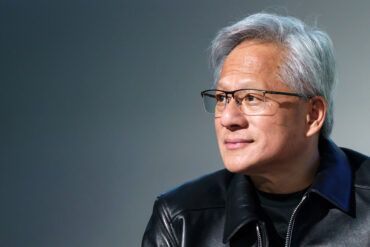
CEO Jensen Huang emphasized China’s importance as one of the world’s largest AI markets during a recent earnings call, while acknowledging the end of Hopper data center business in the region due to export restrictions.
Strategic Insights
Nvidia’s expansion strategy reflects a broader understanding that commercial engagement between nations can serve as a deterrent to conflict. The company’s continued innovation and market adaptation demonstrate resilience in facing regulatory challenges while maintaining global market leadership.
Expert Opinions and Data
Dwight Diercks, a longtime Nvidia employee, notes that competitive analysis is inherent in the industry: “Everyone takes a look at their competitors’ hardware and how it works.” This perspective underscores the reality of global technology development and sharing.
Industry analysts point to Nvidia’s robust financial performance, particularly in data center sales, as evidence of the company’s ability to thrive despite regional challenges. The 73% growth in data center revenue highlights the company’s strong market position beyond China.
Conclusion
Nvidia’s experience in China exemplifies the complex interplay between commercial expansion, regulatory compliance, and international relations. While export restrictions have impacted the company’s position in China, strong global performance and strategic adaptation demonstrate its resilience in navigating these challenges.