
- Afterpay
- BNPL
- Earnings Report
- FinTech
Block's Leaner Machine Delivers Record Margins and a Credit Test
9 minute read
Block lifted gross profit 22% to $3.24 billion and its adjusted operating margin to a record 29%. It raised its outlook again, though rising loan losses and a $764 million Justice Department accrual hold back GAAP profit.
Key Takeaways
- Adjusted operating income nearly doubled to $923 million while non-GAAP costs rose only 6%. February’s 40% cut to the workforce is now feeding directly into earnings.
- Square volume grew 14% to $76.4 billion, its fastest pace since early 2023. Cash App gross profit rose 27% as consumer lending originations climbed 40% to $19 billion.
- Shares rose about 8% after hours on a third straight guidance raise. Losses up 66% and $435 million in mostly legal charges keep GAAP profit well behind the adjusted figures.
What Shrinking Bought
In February, Jack Dorsey made the most consequential decision of Block’s second decade. He removed more than 40% of the workforce, on the premise that a much smaller company using its own AI tools could build faster and spend less. The third quarter is the first period that tests that premise cleanly. In the three months to September 30, gross profit rose 22% to $3.24 billion. That beat both management’s $3.13 billion guidance and the roughly $3.1 billion analysts had expected. Revenue grew 10% to $6.72 billion.
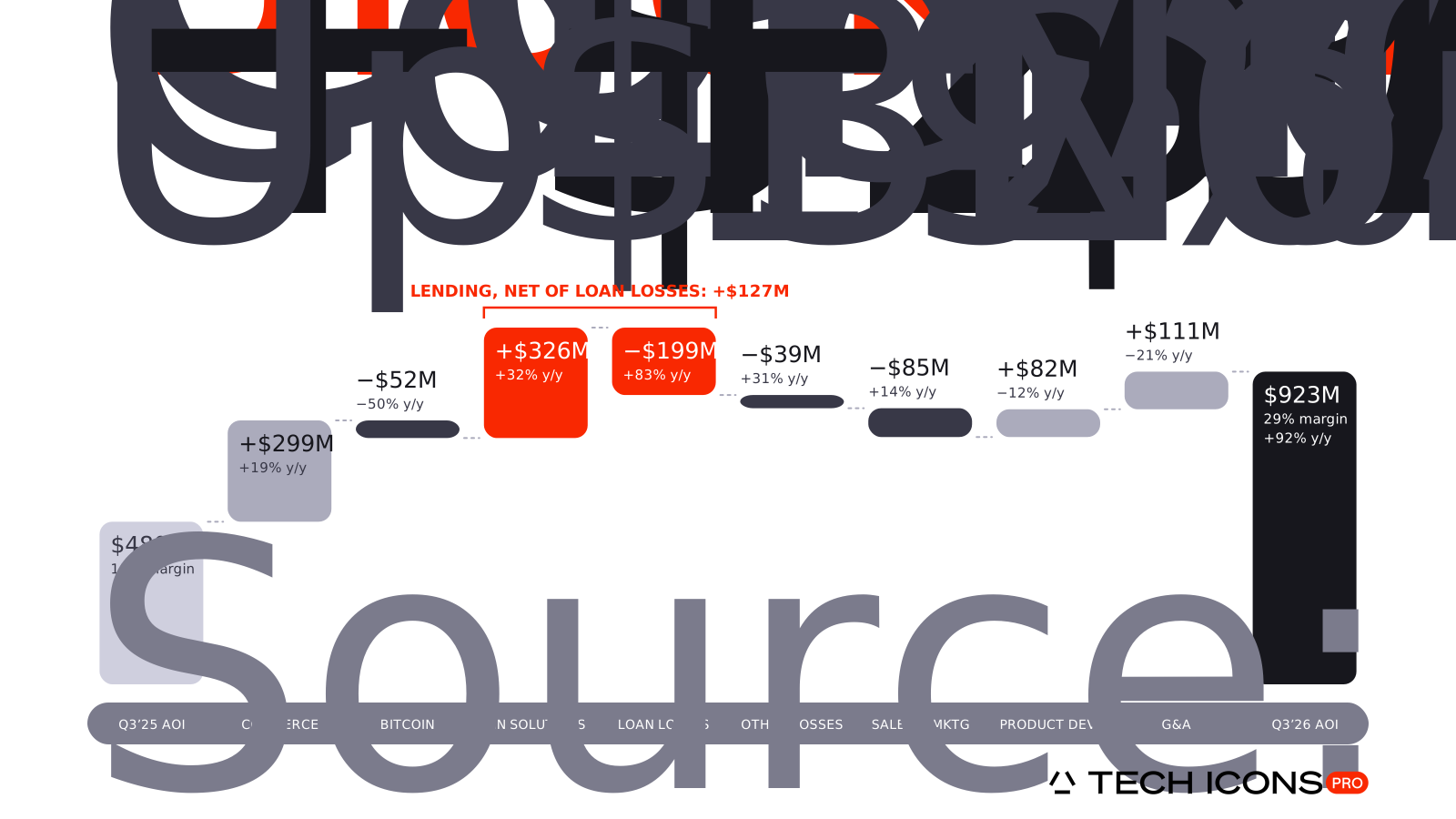
The more important number sits further down. Adjusted operating income nearly doubled to $923 million, a record 29% of gross profit, up from 18% a year earlier. Adjusted diluted earnings per share rose 109% to $1.13. Non-GAAP operating expenses grew only 6% while gross profit added $573 million, so roughly three of every four new dollars reached the operating line. Where the money went matters too. On an adjusted basis, product development spending fell 12% while sales and marketing rose 14%. Block has thinned its engineering costs without cutting the functions that bring in customers. The restructuring cost $495 million in the first half and is now complete, with no further charges in the quarter.
Cash App’s Engine Runs on Credit
Cash App produced $2.07 billion of gross profit, up 27%, even though its user base grew only modestly. Monthly transacting actives reached 60 million in September, against 58 million a year earlier. Primary banking actives rose to 9.4 million from 8.3 million. The growth came from earning more per user rather than adding users: by our calculation, gross profit per transacting active rose to roughly $35 from $28. Lending did most of the work. Originations across Cash App Borrow and Afterpay rose 40% to $19 billion, while commerce enablement volume grew a steadier 14% to $56.9 billion. Bitcoin was a drag. Gross profit there halved to $52 million after Block lowered fees on certain Cash App transactions.
The accounting for that credit deserves attention. Fees from short-term loans count toward gross profit, the company’s preferred growth measure, while the losses are charged further down as operating expense. Transaction, loan and consumer receivable losses rose 66% to $602 million, roughly three times the rate of gross profit growth. Management argues the gap is temporary. In September it finished moving Borrow to six-week loans. Because credit limits were held flat during the move, Borrow originations per customer fell 7% from the prior quarter. Block expects loss growth to slow once limits begin rising again. Morgan Stanley, which downgraded the stock to Equal Weight on October 28, is not yet convinced. The fourth quarter will be the first real evidence either way.
Square Regains Momentum
For several years Square worried investors more than any other part of Block. It pioneered payments for small merchants, then steadily lost ground to rivals that sold harder to larger, established businesses. This quarter suggests that is changing. Gross payment volume rose 14% to $76.4 billion, the fastest growth since the first quarter of 2023. U.S. volume rose 10.4%, international 26%, and food and drink 20%. Gross profit kept pace, rising 14% to $1.16 billion. The gains come mainly from how Square sells. Field sales and enterprise teams are bringing in new customers. New sellers signed through independent sales organizations rose 90% from the prior quarter, and more than 400 of these partners are now on board.
The product releases were built to support that sales effort. Squaremates, an AI assistant for U.S. sellers built on Block’s Buzz platform, became generally available in October. The same month, Square launched Kiosk, a voice-enabled self-ordering device aimed at larger sellers. Neighborhoods, the loyalty network that connects Cash App consumers with Square merchants, automatically enrolled more than 30,000 seller locations in August. Sellers on the network now account for nearly $5 billion in annualized payment volume, about five times the June level. In September, Block said it would offer Cash App Score, its own credit score, to outside lenders through Nova Credit. Together, these moves show a company trying to turn two large businesses into a single commercial network, with each side feeding the other.

A Higher Outlook, a Wider GAAP Gap
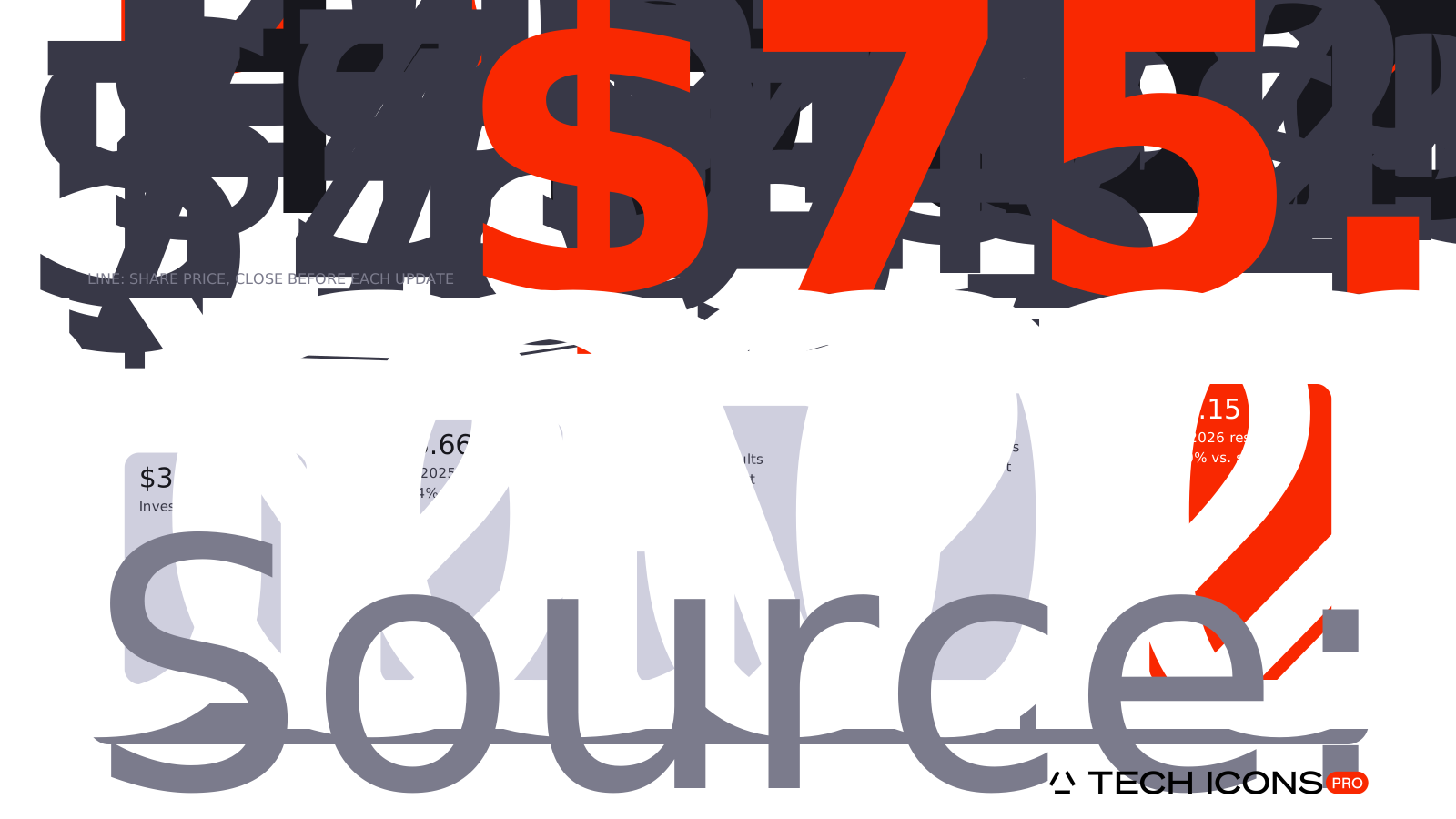
Block raised its full-year guidance for the third quarter in a row. For 2026 it now expects gross profit of $12.626 billion, up 22%, and adjusted operating income of $3.519 billion, up 69%. It expects adjusted EPS of $4.15, up 75%, compared with the $4.02 it guided in August. The $49 million increase to operating income guidance roughly equals the third-quarter beat. In other words, the raise reflects results already delivered, not a stronger view of the final quarter. For that quarter Block projects gross profit of $3.315 billion, up 15%, at a 30% margin, with adjusted EPS of $1.15, up 77%. Its preliminary 2027 outlook is bolder: gross profit growth of at least 15% and adjusted operating income of $4.575 billion, up 30%. That is far above the $3.51 billion target Block set at its November 2025 investor day.
Reported GAAP results are less flattering. Operating income rose just 5% to $428 million after $435 million of contingency, restructuring and other charges, most of them legal accruals. In October, Block reached an agreement in principle with the Justice Department to settle a Bank Secrecy Act charge through a three-year deferred prosecution agreement. It carries a net payment of about $764 million, which Block has fully set aside, though the deal still needs court approval. Net income attributable to shareholders was $566 million, or $0.92 per diluted share, helped by a $230 million gain from revaluing Block’s bitcoin holdings. Block bought back no stock in the quarter, after spending $701 million on buybacks in the first half.
What the Market Is Pricing
Investors focused on the adjusted numbers. The stock closed the regular session at $75.93, then rose about 8% after hours. Adjusted EPS of $1.13 and revenue of $6.72 billion both beat consensus estimates of $1.03 and $6.58 billion. Block’s Australian-listed shares followed on Wednesday, gaining roughly 6% in Sydney while the broader market slipped. Part of the move was relief. The stock had climbed from about $50 to near $86 by August on the restructuring, then drifted as worry about Cash App credit grew. Before the report it traded at about 17 times forward earnings, below its three-year average of 20.
That valuation looks modest for a company growing adjusted earnings this fast, as long as those earnings are as solid as the market assumes. Two things will decide whether they are. The first is credit. Fourth-quarter guidance implies growth slowing to 15% against tough Borrow comparisons, and losses must slow before investors will pay a full multiple for lending profits. The second is artificial intelligence: Block expects its first revenue from selling AI tools to other companies in the fourth quarter. Dorsey has shown that a smaller Block can earn more. Next he has to show it can grow its lending that fast while keeping losses in check.