- Quantum & Chips
TSMC Delays Japan Plant as Global Chip Production Challenges Mount
3 minute read
Global Chipmaker’s Japan Expansion Faces Setbacks Amid Surging AI Processor Demand and $100B U.S. Investment Plans
Key Facts
- TSMC faces production challenges overseas while managing surge in Nvidia AI chip demand
- Company’s Kumamoto facility construction delayed to late 2025, with $100 billion planned for U.S. expansion
- First Kumamoto fab began production in December 2024, focusing on 22/28nm chips
Introduction
TSMC’s global expansion faces significant hurdles as the semiconductor giant navigates geopolitical tensions while meeting unprecedented demand for AI-focused chips. The company’s strategic shift toward international production facilities marks a crucial turning point in semiconductor manufacturing history.
Key Developments
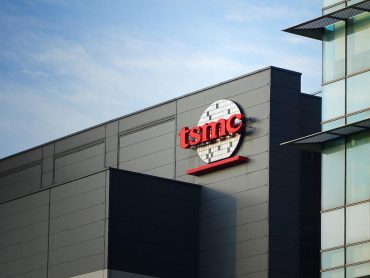
According to Fortune, TSMC’s overseas expansion includes major investments in Japan and the United States. The Kumamoto facilities represent a key part of this strategy, with the first fab already operational and producing 22/28nm chips for clients including Sony, Denso, and Renesas.
Construction of the second Kumamoto fab faces delays until late 2025, though TSMC maintains its commitment to beginning production by 2027. In the United States, the company has committed $100 billion toward building five advanced fabrication facilities, focusing on Arizona despite earlier setbacks.
Market Impact
The surge in demand for Nvidia’s AI chips has created new pressure points in TSMC’s production capacity. As the primary manufacturer for these critical components, TSMC must balance this increased demand against existing commitments and production capabilities.
CEO C.C. Wei emphasizes the strategic importance of geographic diversification in manufacturing locations, viewing it as essential for maintaining supply chain stability and meeting global semiconductor demands.
Strategic Insights
TSMC’s expansion strategy reflects a careful balance between risk mitigation and market opportunity. The company’s investment in multiple regions helps reduce dependency on any single location while positioning it to serve key markets more effectively.
Expert Opinions and Data
Industry analysts note that TSMC’s production delays stem from multiple factors, including fluctuating sector demand and the complexities of implementing advanced manufacturing technologies at new facilities. Despite these challenges, TSMC maintains strong financial performance, with significant revenue growth from advanced wafer technology.
Conclusion
TSMC’s global expansion strategy, while facing temporary setbacks, demonstrates the company’s commitment to maintaining its leadership in semiconductor manufacturing. The combination of strategic facility placement and focus on advanced technology positions TSMC to address both current market demands and future industry needs.