- Mobility Tech
Tesla Robotaxi Launch in Austin Sparks Safety Concerns, Stock Rally
5 minute read
Tesla robotaxi service causes safety incidents in Austin as autonomous vehicles navigate city streets during initial pilot program
Key Takeaways
- Tesla stock surges 8.23% following the launch of its robotaxi service in Austin, with 10-20 modified Model Y vehicles operating at $4.20 per ride in a geofenced pilot program.
- Safety incidents emerge immediately as Tesla robotaxis are captured on video swerving into oncoming traffic lanes and exceeding speed limits, prompting NHTSA investigations.
- Google commits $12 terawatt-hours annually to transform its data centers into “carbon-free energy zones” by 2030, aiming to influence broader tech industry sustainability standards.
Introduction
Tesla’s robotaxi service launched in Austin this week with immediate controversy, as videos surfaced showing autonomous vehicles momentarily driving in oncoming traffic lanes while investors drove shares up over 8%. The pilot program represents CEO Elon Musk’s ambitious push to transform Tesla from an electric vehicle manufacturer into an AI-driven mobility company.
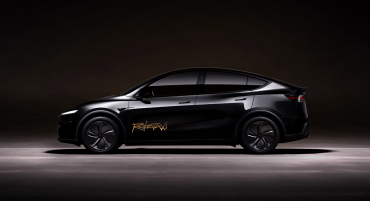
The Austin launch utilizes 10-20 modified Model Y vehicles operating within a geofenced area at $4.20 per ride. Despite safety incidents captured on social media, the service has generated significant investor enthusiasm and positive rider feedback during its invite-only phase.
Key Developments
Tesla deployed its robotaxi fleet in Austin on Sunday with human safety monitors present in each vehicle. The service operates under a limited rollout strategy designed to manage risks while gathering operational data in real-world conditions.
Safety concerns emerged immediately when Tesla enthusiast Rob Maurer captured video of a robotaxi swerving between double yellow lines into the path of oncoming traffic. The vehicle corrected course before reaching its intended left turn, but the incident highlighted system imperfections during the pilot phase.
Additional reports documented robotaxis exceeding speed limits and making unexpected maneuvers. Tesla’s incident response protocol includes automatic hazard light activation, lane stopping, and immediate customer support communication, with 911 calls initiated if passengers don’t respond.
Market Impact
Tesla shares jumped to intraday highs of 11% before closing Monday with an 8.23% gain as investors responded enthusiastically to the robotaxi launch. The rally reflects growing confidence in Tesla’s autonomous driving monetization strategy and potential revenue diversification beyond vehicle sales.
Shares retreated nearly 2% Tuesday as regulatory scrutiny intensified and safety incident videos circulated widely. The National Highway Traffic Safety Administration initiated investigations into reported incidents, tempering initial investor optimism.
Wedbush analyst Dan Ives maintained positive coverage despite safety concerns, emphasizing the service’s long-term profit potential. Tesla stock remains down approximately 15% year-to-date, making the robotaxi rally particularly significant for investor sentiment.
Strategic Insights
Tesla’s Austin pilot leverages Texas’s relatively permissive autonomous vehicle regulations compared to states like California. The favorable regulatory environment allows faster deployment and testing with fewer restrictions, providing competitive advantages for autonomous vehicle development.
The $4.20 pricing strategy directly challenges established ride-hailing services like Uber, which recently expanded its Waymo partnership to Atlanta. Tesla’s vertical integration approach contrasts with competitors who partner with existing ride-sharing platforms.
Musk’s strategy positions Tesla as a technology services company rather than solely a vehicle manufacturer. Success in autonomous ride-sharing could unlock recurring revenue streams and higher valuation multiples typically associated with software companies.
Expert Opinions and Data
CEO Elon Musk acknowledged system imperfections while emphasizing Tesla’s commitment to safety improvements through iterative software updates. He indicated rapid scaling plans contingent on avoiding serious incidents during the pilot phase.
According to Google News, Tesla’s service agreement limits liability for damages to the greater of the ride cost or $100, reflecting the company’s confidence in system safety while managing legal exposure.
Industry analysts caution about regulatory hurdles and operational costs associated with scaling autonomous ride-sharing services. The presence of human safety monitors increases operational expenses and questions remain about timeline for full autonomy.
New York Times reporting highlighted Austin’s nondisclosure agreement with Tesla, keeping program specifics confidential and limiting public oversight of the pilot’s progress and safety metrics.
Conclusion
Tesla’s robotaxi launch represents a pivotal moment in autonomous vehicle commercialization, demonstrating both the promise and challenges of self-driving technology deployment. The immediate safety incidents underscore the technology’s current limitations while strong investor response indicates confidence in long-term potential.
The Austin pilot’s success or failure will significantly influence Tesla’s transformation strategy and broader autonomous vehicle industry development. Regulatory scrutiny and operational performance in coming weeks will determine whether Tesla can scale the service beyond its current geofenced limitations.