- Automotive Chips
- Autonomous Vehicles
- Mobility Tech
Qualcomm Debuts BMW iX3 Autonomy With Snapdragon
5 minute read
Qualcomm’s autonomous driving system in BMW iX3 sets new industry standard for plug-and-play self-driving technology across automakers
Key Takeaways
- Qualcomm automotive revenue surges 21% to nearly $1 billion in the June quarter, targeting $8 billion by fiscal 2029 through autonomous driving technology licensing
- BMW iX3 debuts Snapdragon Ride Pilot system offering hands-free driving and automated lane changes across 60+ countries, expanding to over 100 countries by 2026
- Three-year development involving 1,400 specialists creates plug-and-play autonomous driving platform that delivers 20 times more computing power than BMW’s previous systems
Introduction
Qualcomm positions itself as a major force in autonomous vehicle technology with the launch of its Snapdragon Ride Pilot system in BMW’s new iX3 electric vehicle. The chip giant’s automotive division generates nearly $1 billion in quarterly revenue as it pursues an aggressive licensing strategy targeting automakers worldwide.
The collaboration represents a shift toward scalable, software-driven autonomous driving platforms that legacy automakers can adopt without developing proprietary systems. CEO Cristiano Amon expects the BMW implementation to trigger a “domino effect” as other manufacturers evaluate the technology’s competitive advantages against Tesla and Chinese rivals like Xpeng.
Key Developments
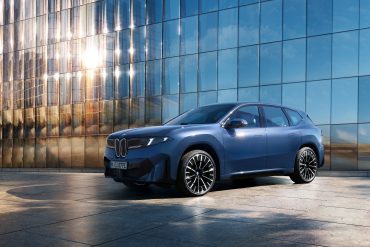
The Snapdragon Ride Pilot Automated Driving System makes its production debut in BMW’s iX3, the first vehicle in the company’s Neue Klasse lineup. Over 1,400 specialists from Germany, the U.S., Sweden, Romania, and BMW’s Czech Republic test center contributed to the three-year development process.
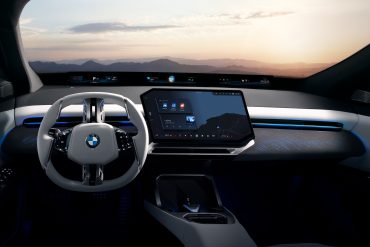
The system integrates Qualcomm’s Snapdragon Ride system-on-chips with co-developed software that centralizes all automated driving functions within a single high-performance computer. BMW brands the platform as the “Superbrain” of Automated Driving, emphasizing its substantial computing power increase over previous generations.
Validation across more than 60 countries demonstrates the platform’s global scalability, with expansion to over 100 countries planned by 2026. The system meets Automotive Safety Integrity Levels and incorporates multi-layered cybersecurity features including encryption and threat detection capabilities.
Market Impact
Qualcomm’s automotive division reports 21% year-over-year growth, making it one of the company’s fastest-expanding sectors. The division targets $8 billion in annual revenue by fiscal 2029, representing significant growth from current levels.
Industry analysts view the launch as addressing a critical market gap for automakers lacking resources to develop autonomous systems independently. The plug-and-play approach enables rapid adoption across multiple brands without extensive proprietary development investments.
European automakers face mounting pressure from Chinese manufacturers and Tesla, creating demand for competitive autonomous driving solutions. Qualcomm’s integrated platform could level the competitive playing field for legacy automotive brands struggling with tech-forward rivals.
Strategic Insights
The partnership establishes Qualcomm as a pivotal supplier in the emerging autonomous driving market through its licensing model. The company’s sensor fusion and AI capabilities, combined with BMW’s driving policy expertise, create a comprehensive solution available to global automakers and Tier-1 suppliers.
BMW gains access to advanced 360-degree perception and context-aware driving technology without internal development costs. The collaboration allows the German automaker to compete more effectively against tech-native vehicle manufacturers while maintaining focus on its core competencies.
The system’s over-the-air update capabilities and fleet data integration enable continuous improvement throughout vehicle lifecycles. This approach provides ongoing value to both automakers and consumers while creating recurring revenue opportunities for Qualcomm.

Expert Opinions and Data
Amon told CNBC that “everybody’s been waiting for this moment, including ourselves,” positioning the BMW iX3 as a crucial validation test for Qualcomm’s autonomous driving technology. The CEO emphasizes significant progress in discussions with additional manufacturers beyond BMW.
Nakul Duggal, Qualcomm Technologies group general manager of Automotive and Industrial & Embedded IoT, expresses excitement about the system’s potential to drive innovation in mobility solutions. He highlights the revolutionary nature of the driver assistance technology debuting in the BMW iX3.
Murtuza Ali of Counterpoint Research notes that Qualcomm’s fully integrated autonomy solution fills a critical industry gap, enabling easier adoption of advanced driver assistance without proprietary system development. Mihiar Ayoubi, BMW’s senior vice president of Development Driving Experience, calls the system a new benchmark in advanced driving assistance systems.
Conclusion
Qualcomm’s autonomous driving platform launch with BMW represents a strategic bet on licensing-based growth in the automotive technology sector. The real-world performance of the iX3 system serves as a crucial demonstration for potential automotive partners evaluating the technology’s capabilities.
The partnership addresses immediate market needs while positioning both companies for long-term growth in autonomous vehicle adoption. Success could accelerate industry-wide implementation of advanced driver assistance systems and reshape competitive dynamics between traditional automakers and tech-native manufacturers.