- Autonomous Vehicles
- Mobility
- Robotaxi
Waymo Deploys Purpose-Built Robotaxis Ahead of 2026 Expansion
7 minute read
Waymo’s purpose-built autonomous vehicles arrive in California ahead of planned 2026 robotaxi service launch across three new US cities.
Key Takeaways
- Waymo deploys Chinese-built Zeekr robotaxis in San Diego ahead of planned 2026 service launch, marking the company’s first purpose-built autonomous vehicle and its largest geographic expansion yet.
- $5.6 billion raised in 2024 brings Waymo’s total funding above $11 billion as the company operates over 250,000 paid rides weekly across multiple US cities, though profitability remains elusive.
- Purpose-built design features 23 sensors including 13 cameras, 4 lidar units, and 6 radar systems, representing a shift from retrofitted vehicles to ground-up autonomous platforms with mass production starting late 2025.
Introduction
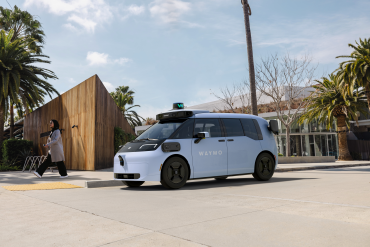
Waymo’s custom-designed robotaxi, developed in partnership with Chinese EV startup Zeekr, has appeared on San Diego streets, signaling a major advancement in autonomous vehicle deployment. The vehicle was spotted charging at a public station this month during testing phases before the driverless service expands into the city in 2026. This marks a significant departure from Waymo’s previous reliance on modified Chrysler Pacifica minivans and Jaguar I-PACE SUVs for its autonomous fleet.
The collaboration between Alphabet’s Waymo and Zeekr, a brand under China’s Geely, represents a notable cross-border partnership despite ongoing US-China trade tensions. The deployment underscores how American technology companies continue leveraging Chinese manufacturing capabilities to advance autonomous vehicle technology. Waymo announced in early November plans to launch robotaxi services in Las Vegas, San Diego, and Detroit next year, representing its most ambitious geographic expansion to date.
Key Developments
The Zeekr RT robotaxi is designed specifically for autonomous ride-hailing rather than adapted from existing passenger vehicles. This purpose-built approach integrates Zeekr’s electric vehicle manufacturing expertise with Waymo’s self-driving technology stack. The prototype, based on Zeekr’s 001 model, showcases a sleek design with an advanced sensor suite tailored explicitly for autonomous driving operations.
Mass production and delivery to Waymo are scheduled for late 2025, with initial deployments in test mode before public rollout. The company plans to operate both Zeekr RT and Jaguar I-PACE robotaxis simultaneously, providing operational flexibility as it adapts to different city requirements and regulatory environments. Waymo has established a presence in nearby Los Angeles and San Francisco, making San Diego a logical extension of its California operations.
While the exact deployment location remains uncertain, California represents a likely candidate given existing infrastructure and regulatory frameworks. In San Diego, Waymo is currently working with local officials and first responders to secure necessary deployment permits. The company plans to launch Las Vegas service next summer and has emphasized that winter-weather testing in Michigan’s Upper Peninsula has strengthened year-round operational capabilities for Detroit deployment.
Market Impact
Waymo currently completes over 250,000 paid rides per week and has surpassed 10 million total trips across its existing markets. The company raised $5.6 billion in 2024, bringing total funding above $11 billion as it scales commercial operations. Despite this significant capital infusion and growing ride volume, Waymo has yet to report sustained profitability in the capital-intensive autonomous vehicle sector.
The transition to custom-built vehicles like the Zeekr RT is anticipated to reduce per-unit and operational costs compared to retrofitted conventional vehicles. This cost reduction is critical as Waymo competes against well-funded rivals including Tesla, which launched its robotaxi service earlier this year, and Amazon’s Zoox. Analysts view purpose-built platforms as essential to achieving the unit economics necessary for long-term viability in autonomous ride-hailing.
Waymo already operates driverless services in Phoenix, San Francisco, Los Angeles, and Austin, while recently expanding to five additional cities including Miami, San Antonio, and Orlando. This expanding footprint positions the company as the most operationally advanced autonomous ride-hailing provider in the United States.
Strategic Insights
The Zeekr RT represents a technological leap from retrofitted vehicles to purpose-built autonomous platforms designed from the ground up for driverless operations. The vehicle features 13 cameras, 4 lidar units, 6 radar sensors, and advanced sensor-cleaning systems, creating comprehensive environmental awareness. This sensor redundancy and purpose-built architecture address key safety and reliability concerns that have plagued earlier autonomous vehicle deployments.
The spacious interior prioritizes passenger comfort and safety over traditional driver-focused design elements. This marks a fundamental shift in automotive design philosophy toward mobility-as-a-service rather than personal vehicle ownership. Industry observers view this approach as potentially setting new standards for autonomous vehicle design and deployment across the sector.
Despite geopolitical tensions and ongoing tariff discussions, the Waymo-Zeekr partnership demonstrates how US technology companies continue collaborating with Chinese manufacturing partners to achieve technical and cost advantages. This strategic decision reflects pragmatic business considerations in a highly competitive and capital-intensive industry where manufacturing scale and cost efficiency remain critical success factors.
Expert Opinions and Data
Waymo’s CEO has emphasized the advantages of integrating Zeekr’s EV expertise with Waymo’s self-driving technology to create a next-generation robotaxi platform. The collaboration leverages each company’s core competencies, combining advanced autonomous software with efficient electric vehicle manufacturing capabilities. This partnership model differs from vertically integrated approaches pursued by competitors like Tesla.
Industry analysts characterize Waymo as “far ahead of the competition,” particularly following operational setbacks faced by rivals like Cruise, which suspended operations after safety incidents. The company’s operational track record across multiple cities provides valuable data and regulatory experience that newer entrants lack. With over 10 million completed autonomous trips, Waymo possesses a significant data advantage for refining its technology.
Early reactions to the Zeekr robotaxi sightings in San Diego have been positive, with local observers expressing excitement about the technology’s arrival and curiosity about its impact on urban mobility. The combination of electric propulsion and autonomous operation aligns with broader sustainability goals while advancing self-driving capabilities.
Conclusion
Waymo’s deployment of purpose-built Zeekr robotaxis in San Diego represents a significant milestone in autonomous vehicle commercialization. The company is advancing from testing to operational deployment across multiple major US cities, supported by substantial funding and an expanding geographic footprint. The purpose-built vehicle platform addresses cost and design limitations of retrofitted vehicles while the company works through regulatory approvals for 2026 service launches.
Competition intensifies as Tesla and Amazon-backed Zoox pursue their own autonomous ride-hailing ambitions, but Waymo maintains operational advantages through its existing multi-city presence and millions of completed autonomous trips.


