- Gaming Console
- Media & Gaming
- Tariffs
PlayStation 5 Prices Rise as Sony Responds to Tariff Pressures
5 minute read
Global tariffs force PlayStation console prices higher as gaming industry grapples with manufacturing cost surge
Key Takeaways
- PlayStation 5 prices increase $50 across all models effective August 21, bringing the standard PS5 to $550 and PS5 Pro to $750, marking a rare mid-cycle price hike for aging console hardware.
- Tariff pressures drive industry-wide console price increases as Sony joins Microsoft and Nintendo in raising prices, with tariff rates ranging from 15% to 30% on key production countries including China and Japan.
- Final day window for current pricing creates immediate purchasing pressure as major retailers maintain previous prices until the August 21 deadline, offering consumers a narrow opportunity to avoid the increases.
Introduction
Sony announces a $50 price increase across all PlayStation 5 models in the US, effective August 21, marking a significant shift in console pricing strategy. The standard PS5 rises to $550, the Digital Edition to $500, and the PS5 Pro to $750, representing the company’s response to mounting economic pressures.
This decision places Sony alongside Microsoft and Nintendo in implementing console price hikes during 2025. The move breaks from traditional industry patterns where hardware prices typically decrease over a console’s lifecycle.

Key Developments
Sony Global Marketing VP Isabelle Tomatis frames the decision as navigating a “challenging economic environment.” The price increases affect only console hardware, leaving games and accessories at current pricing levels.
The timing creates urgency for consumers, as Forbes reports major retailers including Target and Best Buy continue offering previous prices through August 20. Current pricing remains at $500 for the standard PS5, $450 for the Digital Edition, and $700 for the PS5 Pro.
Sony confirms these increases apply exclusively to US console sales. This regional focus suggests the company targets specific market conditions rather than implementing global pricing adjustments.
Market Impact
The $50 increase represents a 9-11% price hike depending on the model, directly improving Sony’s hardware margins. This contrasts sharply with the PS5’s 2020 launch pricing, when the Digital Edition cost $399.
Retail response varies across channels, with some maintaining current inventory pricing while others prepare for immediate implementation. The PlayStation 5 has reached 80 million units sold worldwide, indicating strong market position despite the pricing pressure.
Consumer reaction focuses on frustration over price increases for hardware nearing mid-lifecycle status. Late adopters face higher barriers to entry, potentially affecting Sony’s market expansion goals.
Strategic Insights
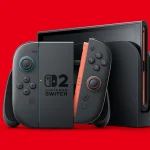
The console industry experiences unprecedented pricing coordination, with all major manufacturers implementing increases within months of each other. Microsoft raised Xbox Series prices in March, while Nintendo implemented two rounds of Switch price increases in April and August.
Manufacturing cost pressures intensify beyond tariff impacts. Technological challenges in semiconductor production drive up costs, reducing opportunities for traditional price cuts over hardware lifecycles.
Sony’s strategy of maintaining game and accessory pricing suggests focus on protecting software revenue streams while adjusting hardware margins. This approach aims to minimize consumer backlash while addressing cost pressures.

Expert Opinions and Data
Analyst Daniel Ahmad identifies specific tariff rates driving price increases: China faces 30% tariffs, Japan 15%, Vietnam 20%, and Malaysia 19%. These countries represent key PlayStation 5 production locations, directly impacting Sony’s manufacturing costs.
IGN commerce editor Chris Reed notes uncertainty around retailer implementation speed, though historical patterns suggest rapid adoption of manufacturer pricing changes. Industry observers emphasize that tariff costs typically transfer to consumers, undermining protective trade policy intentions.
Nintendo specifically cites tariff uncertainty in its pricing decisions, stating the need to “assess the potential impact of tariffs and evolving market conditions.” Rumors of potential 300% tariffs on foreign-made chips compound industry concerns about future cost pressures.
Conclusion
Sony’s PlayStation 5 price increases reflect broader industry adaptation to tariff pressures and rising manufacturing costs. The coordinated timing with Microsoft and Nintendo suggests systemic market forces rather than company-specific challenges.
The August 21 implementation creates immediate market dynamics as consumers weigh purchase timing against future availability. Sony’s hardware margin improvement comes at the cost of accessibility, potentially affecting the console’s market penetration in its crucial middle years.