- Corporate Strategy
- Mega Mergers
Buffett Denies BNSF Railroad Takeover Plans with Goldman Sachs
5 minute read
Berkshire Hathaway’s $347 billion cash reserves remain untapped as Warren Buffett rejects railroad acquisition rumors with Goldman Sachs
Key Takeaways
- Buffett denies Goldman Sachs collaboration on BNSF railroad takeover bid, calling reports “totally false” and emphasizing Berkshire’s preference for independent dealmaking
- $347 billion cash reserves position Berkshire to afford major railroad acquisitions like Norfolk Southern ($62B) or CSX ($65B), but company shows strategic restraint
- Railroad consolidation speculation subsides following denial, reducing immediate market volatility and tempering expectations for industry-wide M&A activity
Introduction
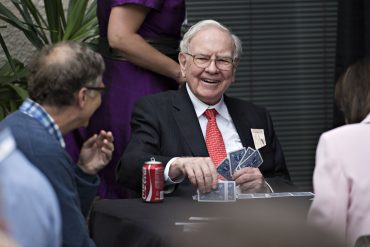
Warren Buffett moves quickly to dispel market speculation that threatens to misrepresent Berkshire Hathaway’s strategic intentions. The 94-year-old investor publicly dismissed reports that BNSF Railway was collaborating with Goldman Sachs on a competitor takeover, calling the claims “totally false.”
The denial carries significant weight for railroad industry consolidation and broader infrastructure investment trends. Buffett’s intervention halts speculation that had emerged amid heightened merger activity in the U.S. rail sector, particularly following Union Pacific’s reported interest in Norfolk Southern.
Key Developments
Reports from Semafor and Reuters on Monday suggested BNSF had enlisted Goldman Sachs for a potential acquisition following Union Pacific’s interest in Norfolk Southern. The speculation centered on possible bids for Norfolk Southern or CSX, either of which would reshape North American freight networks.
Buffett responded directly to CNBC, stating that neither he nor successor Greg Abel had been contacted by Goldman Sachs about any railroad deal. Abel assumes Berkshire’s CEO role at year-end 2025, marking a critical transition period for the conglomerate.
The timing proves particularly sensitive as Union Pacific’s potential coast-to-coast railroad creation through Norfolk Southern acquisition had sparked industry-wide positioning. Market observers had viewed BNSF as a logical competitor in any bidding process.
Market Impact
Railroad stocks experience immediate stabilization following Buffett’s denial, with speculation-driven volatility subsiding across the sector. The clarification removes near-term premium expectations that had begun factoring into Norfolk Southern and CSX valuations.
Berkshire’s $347 billion cash position theoretically supports major acquisitions, with Norfolk Southern valued at approximately $62 billion and CSX at $65 billion. However, Buffett’s intervention signals strategic patience over opportunistic expansion.
Investment bankers and merger arbitrage funds recalibrate expectations for railroad consolidation activity. The denial reduces immediate deal flow prospects while reinforcing Berkshire’s reputation for disciplined capital allocation.
Strategic Insights
Buffett’s response reinforces his long-standing skepticism toward investment banker involvement in major acquisitions. The approach reflects Berkshire’s preference for direct negotiations and in-house deal evaluation, avoiding external advisory costs and potential conflicts of interest.
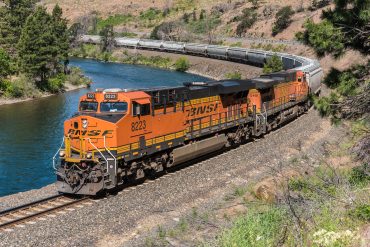
BNSF’s position as one of North America’s largest freight networks provides Berkshire substantial infrastructure exposure without requiring additional railroad assets. The 2010 acquisition of BNSF for $26.5 billion established Berkshire’s foundation in freight transportation and logistics.
The rail industry’s gradual digital transformation continues independently of consolidation speculation. Investments in automation, IoT sensors, and predictive analytics for maintenance optimization represent ongoing operational improvements rather than merger-driven initiatives.
Expert Opinions and Data
Buffett emphasized his philosophical opposition to external banking relationships in major transactions, stating he “would not seek advice from external bankers on deals.” This position reflects decades of successful acquisitions completed through direct management engagement.
Industry analysts note BNSF’s recent performance relative to competitors while acknowledging Berkshire’s conservative acquisition criteria. The company typically pursues “best-in-class” businesses with strong competitive positions rather than scale-driven consolidation plays.
Greg Abel’s pending CEO transition adds complexity to major strategic decisions during the leadership change period. Market observers view the denial as consistent with Berkshire’s measured approach during executive succession planning.
Conclusion
Buffett’s swift denial eliminates immediate railroad consolidation speculation while reaffirming Berkshire’s independent dealmaking philosophy. The intervention demonstrates continued strategic control during the company’s leadership transition phase.
BNSF remains a cornerstone infrastructure asset within Berkshire’s portfolio without requiring external expansion through competitor acquisition. The company’s substantial cash reserves provide acquisition flexibility while management maintains disciplined capital allocation standards.