Banking fraud surge prompts French telecom companies to launch real-time SIM swap detection systems for financial institutions
Key Takeaways
- €1 million stolen from 50 clients: Société Générale intern arrested for providing sensitive customer data to SIM-swapping fraudsters who intercepted banking security codes.
- Cross-industry security response: French mobile operators launch real-time SIM swap detection APIs to help banks verify customer identities and prevent similar attacks.
- 40% surge in digital identity theft: France reports dramatic increase in fraud cases over four years, with 500 bank employee fraud incidents recorded in 2024 alone.
Introduction
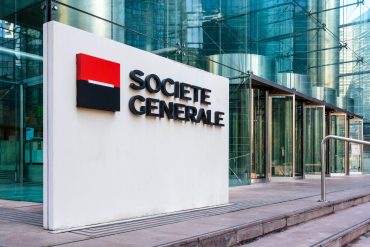
A business student intern at Société Générale faces arrest for orchestrating a sophisticated SIM-swapping fraud that drained over €1 million from 50 bank clients. The case exposes critical vulnerabilities in France’s banking sector, where insider threats increasingly complement external cyberattacks.
French fraud police discovered the intern exploited his access at the bank’s Paris headquarters to share sensitive customer data with criminal accomplices. The scheme highlights growing concerns about SMS-based authentication security and employee vetting processes across major financial institutions.
Key Developments
The fraud operation centered on the intern’s privileged access to customer banking information at Société Générale’s headquarters. He allegedly provided accomplices with detailed client data, enabling them to impersonate legitimate customers when contacting mobile operators.
A specialized SIM-swap operator used this information to request replacement SIM cards by claiming lost or damaged phones. Once fraudsters gained control of victims’ phone numbers, they intercepted one-time passwords sent by the bank for transaction authentication.
France’s fraud police unit uncovered the network through targeted raids that revealed the operation’s scope. Officers seized cash, 15 luxury designer handbags from brands including Dior and Hermès, and equipment for creating fake identification documents.
Market Impact
Société Générale shares remain stable following the incident, though the bank faces increased scrutiny over internal security protocols. The company has reimbursed all stolen funds to affected customers, absorbing the full financial impact.
French banking stocks show resilience despite growing concerns about insider threats across the sector. The Fédération Bancaire Française reports approximately 500 employee fraud cases in 2024, representing a significant operational risk for major institutions.
Technology companies specializing in multi-factor authentication solutions experience increased demand as banks seek alternatives to SMS-based security systems. The incident accelerates adoption of biometric verification and app-based authentication methods.
Strategic Insights
The breach demonstrates fundamental weaknesses in traditional two-factor authentication systems that rely on mobile phone numbers. Financial institutions now confront the reality that SMS-based security codes provide insufficient protection against organized criminal networks.
Banks face mounting pressure to implement comprehensive employee monitoring and enhanced background screening procedures. The incident reveals how criminal organizations specifically target financial sector employees to gain insider access.
Cross-industry collaboration emerges as a critical defense strategy, with telecom operators and banks developing integrated fraud detection systems. This partnership model may become standard practice across European financial markets.
Expert Opinions and Data
According to Le Parisien, the investigation reveals increasing sophistication among cybercriminal networks targeting French financial institutions. Security experts emphasize the need for banks to address both external threats and internal vulnerabilities simultaneously.
The Fédération Bancaire Française confirms that digital identity theft in France has increased by 40% over four years, with online transactions growing 37% since the pandemic. These statistics underscore the urgent need for advanced fraud prevention measures across the banking sector.
Industry analysts note that France leads European efforts in cross-industry fraud prevention, becoming the first country to deploy collaborative SIM swap detection across all major mobile operators. This initiative provides real-time identity verification capabilities for banks and fintech companies.
Conclusion
The Société Générale incident marks a turning point in how French financial institutions approach cybersecurity and employee oversight. Banks now recognize that traditional authentication methods require immediate upgrading to counter increasingly sophisticated criminal operations.
The successful collaboration between telecom operators and banks in developing real-time fraud detection systems demonstrates effective industry response to emerging threats. Financial institutions across Europe are likely to adopt similar cross-sector partnerships to protect customer assets and maintain digital banking security.


