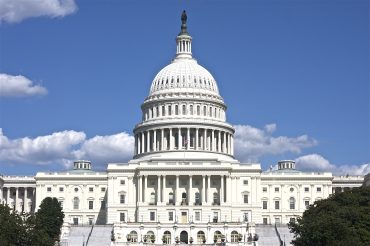
Senate Tax Bill to Cut Health Coverage for 11.8 Million Americans
5 minute read
Republican tax bill’s Medicaid cuts threaten healthcare access for millions as Senate advances controversial legislation
Key Takeaways
- 11.8 million Americans projected to lose health insurance over the next decade under Senate Republicans’ tax bill, according to Congressional Budget Office analysis released this weekend.
- $902 billion in federal health spending cuts targeting Medicaid and Affordable Care Act programs would finance proposed tax reductions, with Senate version cutting nearly 1 million more coverage recipients than House proposal.
- Senate Republicans narrowly advance bill 51-49 in late Saturday procedural vote, with Vice President JD Vance present to break potential tie as two GOP senators joined Democrats in opposition over Medicaid concerns.
Introduction
Senate Republicans push forward with President Trump’s sweeping tax legislation despite projections showing massive health insurance losses. The Congressional Budget Office projects 11.8 million Americans would lose health coverage over the next decade under the Senate’s version of the tax bill.
The 940-page “One Big Beautiful Bill Act” proposes deep cuts to Medicaid and Affordable Care Act programs to generate $902 billion in federal savings. These reductions would help finance substantial tax cuts while significantly reshaping America’s healthcare landscape.
Key Developments
Senate Republicans released their comprehensive legislation shortly before midnight Friday, launching what promises to be intense debate sessions. The bill targets federal spending on Medicaid and ACA programs with cuts totaling approximately $902 billion over ten years.
The CBO analysis reveals that 1.4 million of the projected 11.8 million coverage losses involve individuals without “satisfactory immigration status.” This detail adds complexity to ongoing Senate discussions about the bill’s healthcare provisions.
Internal GOP tensions emerged as the legislation advanced through its first procedural hurdle. Senator Thom Tillis of North Carolina and Senator Rand Paul of Kentucky broke ranks to join Democrats in opposing the motion, citing concerns over aggressive Medicaid reductions.
Market Impact
Healthcare stocks face uncertainty as markets process the potential coverage reductions and provider funding cuts. The bill lowers provider tax rate caps for Medicaid expansion states, threatening federal funding streams for hospitals and healthcare networks.
Technology sector implications center on reduced consumer spending power and workforce disruptions. Companies anticipate decreased discretionary income among affected populations, potentially dampening demand for non-essential tech products and digital services.
Health technology companies may see mixed effects, with cost-saving platforms and direct-to-consumer services gaining ground while traditional healthcare IT firms face reduced Medicaid reimbursement opportunities.
Strategic Insights
The legislation creates winners and losers across business sectors. Healthcare providers face significant revenue pressures from reduced federal funding, while tax-cut beneficiaries gain improved cash positions for investment and expansion.
Tech companies must prepare for workforce challenges as employees face potential coverage losses. Smaller startups particularly risk higher recruitment and retention costs if public health programs shrink and employer-sponsored benefits become more critical.
The healthcare technology sector sees strategic opportunities in cost-saving innovations, AI-driven insurance navigation tools, and workplace health management platforms as market gaps emerge from public coverage reductions.
Expert Opinions and Data
Senate Democratic leader Chuck Schumer of New York criticized Republicans for unveiling the complex legislation “in the dead of night,” forcing a full reading and limiting public review time before key votes.
Political dynamics within the GOP remain fluid, with Senator Ron Johnson of Wisconsin initially opposing before switching his vote following private negotiations. STAT reports growing concerns among some Senate Republicans about the depth of proposed health program cuts.
Public opinion data complicates Republican strategy, with March KFF polling showing most Americans across party lines prefer maintaining or increasing Medicaid funding rather than reducing program scope.
Conclusion
Senate Republicans advance their ambitious tax and spending legislation despite significant healthcare coverage projections and internal party tensions. The Congressional Budget Office’s 11.8 million coverage loss estimate frames ongoing debates about balancing fiscal priorities with public health program access.
Business sectors prepare for varied impacts ranging from reduced consumer spending power to healthcare market disruptions. The legislation’s ultimate passage remains uncertain as GOP members navigate constituent concerns while pursuing substantial tax policy changes.


