
- Energy Markets
- Energy Supply Chains
- Oil and Gas
OPEC+ Production Falls 500,000 Barrels Short of Output Targets
6 minute read
OPEC oil production falls significantly below target levels as member nations face mounting capacity constraints and compliance issues
Key Takeaways
- OPEC+ output shortfall reaches 500,000 barrels per day as actual production increases lag behind the planned restoration of 1.92 million b/d between April and August.
- U.S. refining capacity drops 18% on Pacific Coast following the closure of Phillips 66’s Wilmington and Benicia refineries, creating supply opportunities for East Asian refiners.
- Copper futures surge after Grasberg mine halt wipes $10 billion from Freeport-McMoran’s market cap following a fatal mudslide at Indonesia’s largest copper operation.
Introduction
Global energy markets face significant disruption as OPEC+ struggles to deliver promised oil production increases while commodity supply chains experience widespread interruptions. The oil cartel’s decision to unwind voluntary supply cuts encounters implementation challenges that highlight deeper structural issues within member nations.
OPEC+ nations agreed to restore 2.2 million barrels per day of voluntary cuts, yet actual output increases fall approximately 500,000 b/d short of targets. This shortfall reflects capacity constraints and compliance issues that continue to plague the organization’s market management efforts.
Key Developments
OPEC+ crude output reached 29.86 million barrels per day in May 2025, representing a 1.44% monthly increase and 1.93% year-over-year growth. However, the group’s ambitious restoration timeline encounters significant obstacles as Kazakhstan and Iraq struggle with compensation cuts, with Baghdad pledging an additional 130,000 b/d reduction.
The organization plans production boosts of 547,000 b/d in September and 137,000 b/d in October, though limited spare capacity challenges many member countries. According to Reuters, analysts predict OPEC’s spare capacity will decline to 2 million b/d by 2026, potentially intensifying future supply disruption risks.
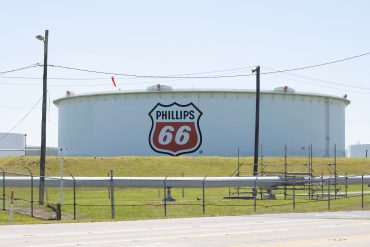
Meanwhile, U.S. refining capacity faces dramatic reductions on the Pacific Coast. Phillips 66’s Wilmington refinery closes this month, followed by the Benicia facility in April 2026, collectively removing 18% of regional refining capacity and creating supply gaps that East Asian refiners are positioning to fill.
Market Impact
The production shortfalls contribute to sustained volatility in energy markets, with U.S. Energy Information Administration forecasting declining OPEC export revenues of $455 billion in 2025 and $410 billion in 2026. These projections signal that while volumes may increase, softer prices and heightened competition erode revenue potential.
Copper markets experience dramatic price movements following the suspension of Freeport-McMoRan’s Grasberg mine operations after a fatal mudslide. The incident triggers the largest weekly increase in copper futures since June, while Freeport shares plummet 20%, eliminating nearly $10 billion from the company’s market capitalization.
California gasoline prices average $4.65 per gallon as of September 26, with South Korean refiners already increasing exports to fill supply gaps created by refinery closures. Chinese refiners operating at 68-70% capacity due to compressed margins increasingly turn to discounted Iranian crude, available at $6.50 per barrel below ICE Brent futures.
Strategic Insights
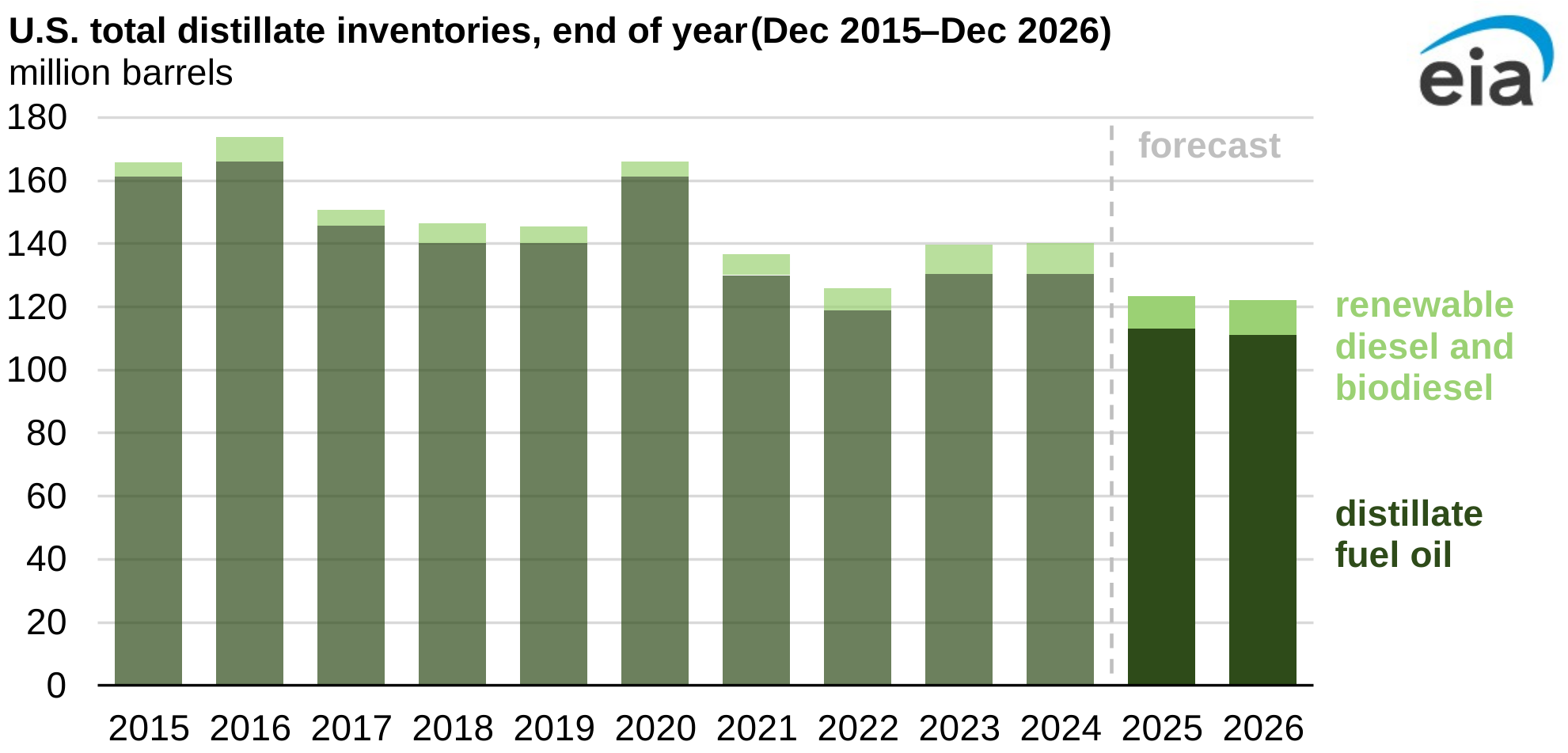
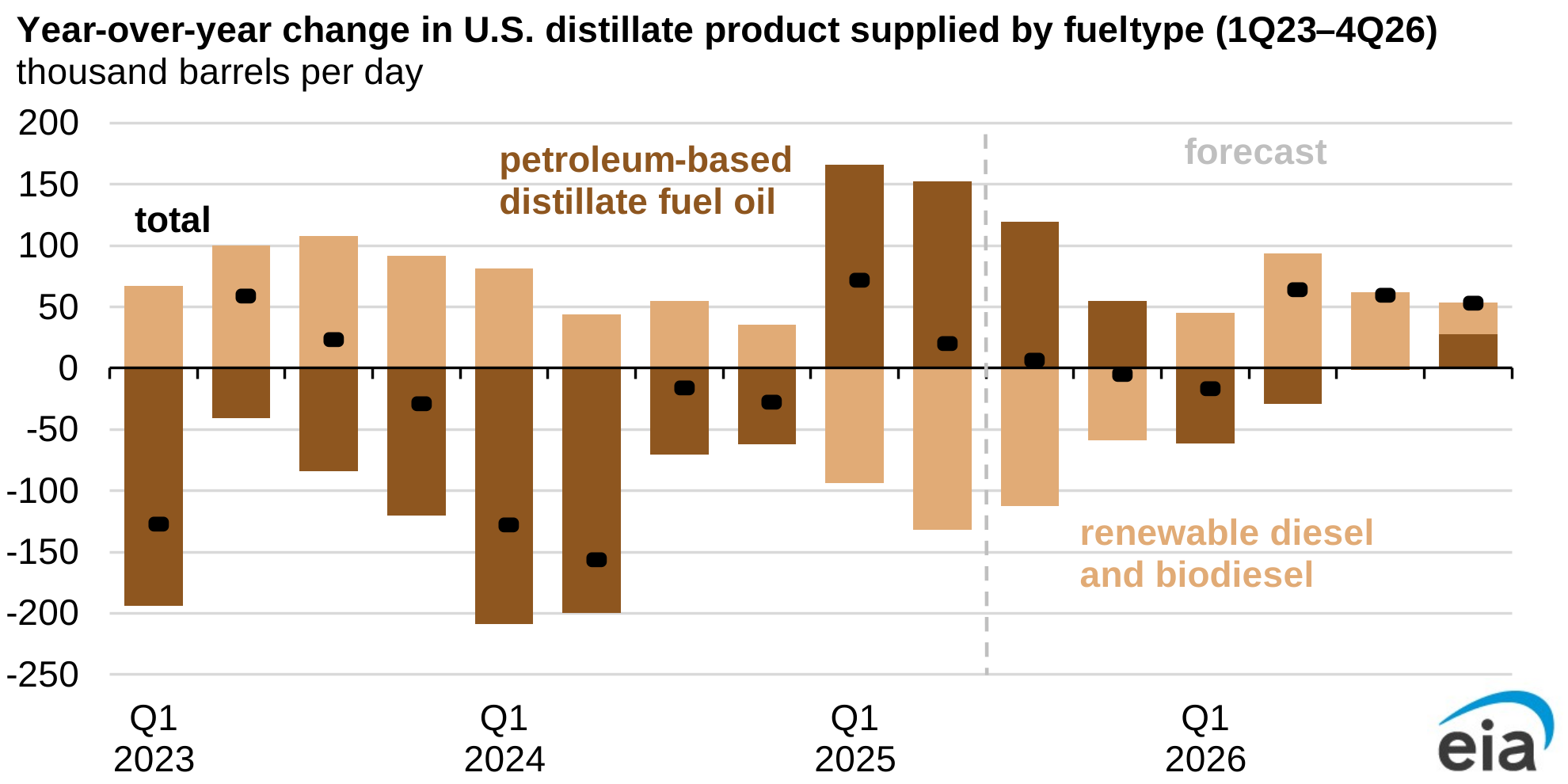
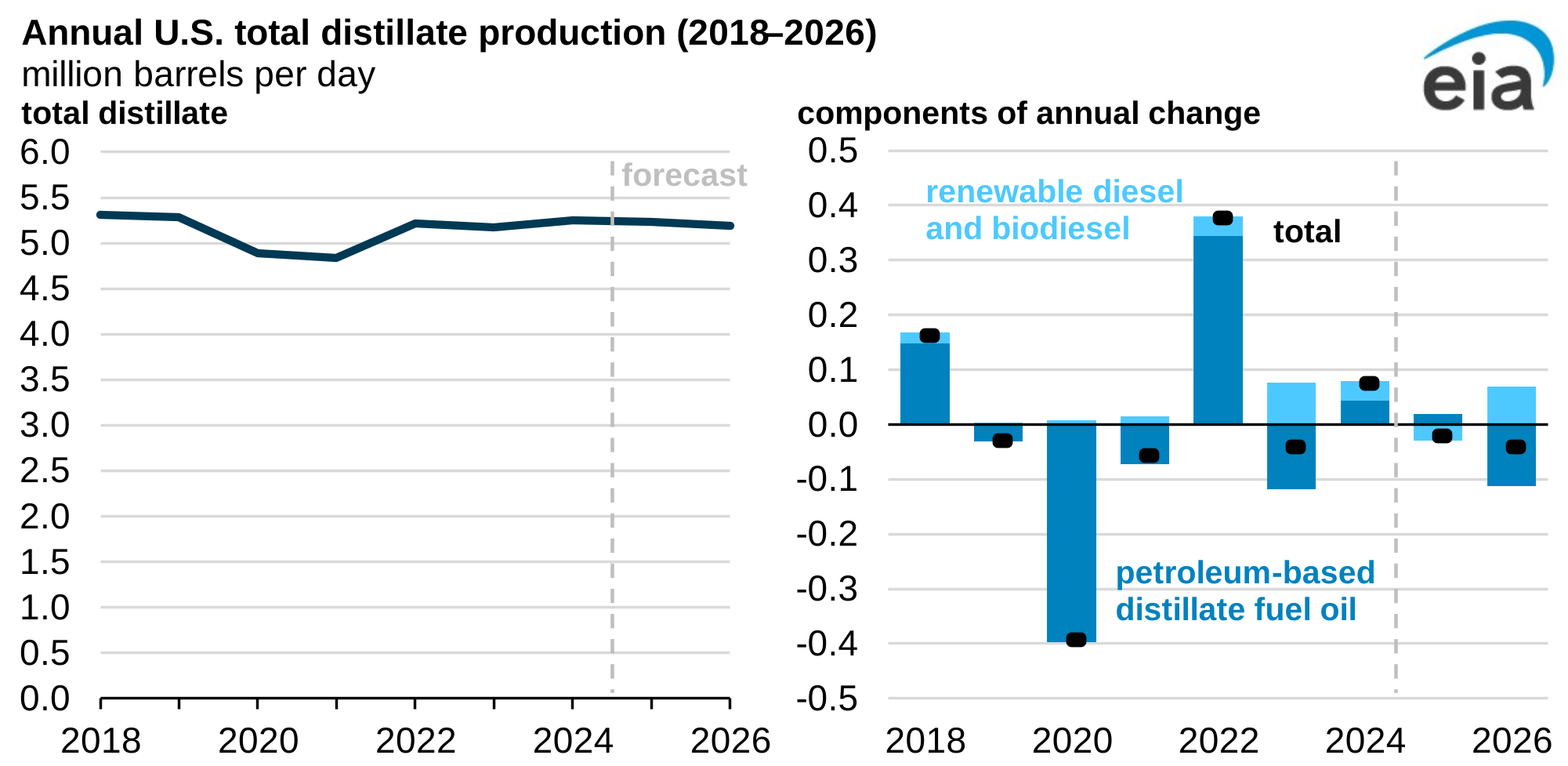
U.S. distillate markets face potential winter shortages as the EIA projects 2025 year-end inventories at decade-low levels. A 22 million barrel drawdown in diesel stocks, combined with inadequate renewable diesel supply growth, creates supply vulnerabilities particularly affecting the Atlantic Coast and California during peak demand periods.
Energy sector digitalization accelerates as producers seek operational efficiency improvements to maintain margins amid price volatility. Technologies including AI-driven predictive maintenance, IoT-enabled asset monitoring, and cloud-based supply chain management gain traction as cost-saving measures become critical.
Expert Opinions and Data
Market analysts express skepticism about OPEC+’s ability to meaningfully influence global prices given persistent production shortfalls and rising non-OPEC supply. The gap between announced targets and actual output delivery undermines the organization’s market management credibility.
Citibank reduces production forecasts for Grasberg mine operations in 2025 and 2026 following the operational suspension. The facility’s significance for global copper and gold supply chains amplifies concerns about tight commodity markets during the ongoing energy transition, according to Oilprice.
Investment strategists note mixed reactions to OPEC+ developments, with some viewing cut reversals as demand recovery signals while others interpret sluggish production and declining revenues as indicators of deeper structural market issues. The sustained uncertainty drives increased focus toward companies enabling energy efficiency and renewable technology transitions.
Conclusion
Global commodity markets demonstrate increasing fragmentation as traditional supply management mechanisms encounter implementation challenges and geopolitical disruptions reshape trade patterns. OPEC+’s struggle to deliver promised production increases while refiners face capacity constraints illustrates the complex dynamics affecting energy supply chains.
The convergence of operational disruptions across oil, refined products, and metals markets creates opportunities for alternative suppliers while highlighting infrastructure vulnerabilities. These developments accelerate adoption of efficiency technologies and alternative energy solutions as market participants seek resilience against persistent supply chain volatility.