- Data Centers
- Green Tech
- Renewable Energy
Microsoft Taps Australia’s Largest Solar Farm for AI Power
5 minute read
Microsoft data centers tap Australia’s largest solar farm to power expanding AI infrastructure while advancing climate goals
Key Takeaways
- 300MW NSW solar farm now fully operational – The Walla Walla facility reaches peak capacity after year-long ramp-up, becoming Australia’s largest solar project in FRV’s portfolio with 700,000 panels
- Microsoft secures renewable data center power through 15-year PPA – Tech giant leverages long-term agreement to support AI infrastructure expansion while advancing 2030 carbon-free operations target
- AU$1.2 billion refinancing backs 1GW solar portfolio – FRV Australia’s funding facility supports eight projects including Walla Walla, demonstrating institutional confidence in renewable energy investments
Introduction
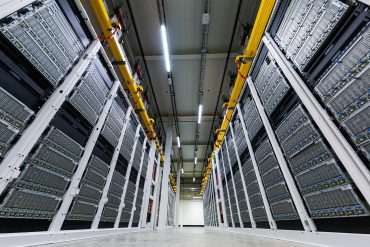
Microsoft’s data centers in Australia now receive power from a fully operational 300-megawatt solar farm in New South Wales, marking a significant milestone in corporate renewable energy procurement. The Walla Walla solar facility, operated by Fotowatio Renewable Ventures Australia, reached full capacity nearly a year after first connecting to the grid.
The development represents more than infrastructure completion. It demonstrates how technology companies integrate renewable energy into core operations to meet sustainability targets while supporting the rapid expansion of AI-driven computing infrastructure.
Key Developments
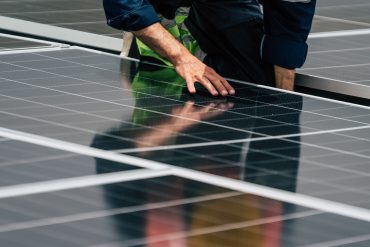
FRV Australia commissioned the Walla Walla solar farm in the Riverina region with 700,000 solar panels equipped with single-axis tracking technology. The facility peaks at 353MW capacity, making it the largest project in FRV’s Australian portfolio.
Microsoft secured power from the facility through a 15-year power purchase agreement signed in 2021. The arrangement follows Microsoft’s broader strategy of locking in renewable energy sources through long-term contracts that provide price stability and fund new infrastructure development.
Construction created 350 jobs in the regional area, contributing to local economic development. The project transitioned from first power generation in November 2023 to full operational status this year, completing a methodical ramp-up process typical of large-scale solar installations.
Market Impact
FRV Australia completed an AU$1.2 billion refinancing facility in July 2024 to support its 1GW solar portfolio across eight projects. The financing demonstrates strong institutional confidence in utility-scale renewable energy investments and provides capital for continued expansion.
The renewable energy sector benefits from Microsoft’s aggressive procurement strategy. The technology company has signed over 13.5 GW of renewable contracts since 2020, creating substantial demand that supports project development and attracts additional investment capital.
Corporate power purchase agreements now drive significant portions of new renewable capacity additions in Australia. These long-term contracts provide revenue certainty that enables project financing and reduces development risks for renewable energy developers.
Strategic Insights
Microsoft’s renewable energy integration addresses the growing power demands of AI infrastructure while maintaining environmental commitments. The company targets 24/7 carbon-free energy matching by 2030, requiring sophisticated energy management systems that align consumption with renewable generation patterns.
Technology companies increasingly view renewable energy procurement as operational necessity rather than sustainability initiative. Data center expansion driven by cloud computing and artificial intelligence creates substantial power requirements that renewable sources must satisfy to meet corporate climate targets.
FRV benefits from established relationships with global technology companies seeking renewable energy solutions. The company operates 11 projects across Australia and recently secured financing for battery storage projects that complement solar generation capacity.

Expert Opinions and Data
Carlo Frigerio, CEO of FRV Australia, positions the Walla Walla project as validation of the company’s execution capabilities and strategic partnerships. “Walla Walla is our largest project in Australia and a strong demonstration of our commitment to the country’s renewable energy goals,” Frigerio states.
Industry analysts view Microsoft’s renewable strategy as establishing new standards for technology companies. The approach combines sustainability targets with operational requirements, demonstrating that large-scale AI development and environmental responsibility can advance simultaneously.
Microsoft’s energy management systems deliver measurable results across operations. Advanced energy optimization platforms can achieve 40% energy savings, 20% CO2 emission reductions, and 10% productivity improvements in data center operations.
The broader partnership strategy extends beyond individual projects. Microsoft’s recent agreement with Brookfield will develop 10.5 GW of new renewable capacity, representing nearly eight times the scale of previous corporate power purchase agreements and signaling accelerated investment in renewable infrastructure.
Conclusion
The Walla Walla solar farm completion reflects the integration of renewable energy into core technology infrastructure operations. Microsoft’s approach combines long-term procurement agreements with operational efficiency improvements to address both sustainability targets and business requirements.
The project establishes a framework for technology companies managing increased energy demands from AI expansion while maintaining environmental commitments. Corporate renewable energy procurement continues driving significant infrastructure investment and supporting Australia’s transition toward cleaner electricity generation.