- Regulatory Risk
- Social Platforms
Meta Faces $8B Shareholder Lawsuit Over Cambridge Analytica
5 minute read
Meta’s shareholder lawsuit sets precedent for executive accountability in tech industry data privacy violations
Key Takeaways
- $8 billion shareholder lawsuit against Meta begins as investors seek reimbursement for Cambridge Analytica-related fines and legal costs, with testimony from Mark Zuckerberg and former executives starting this week in Delaware Chancery Court.
- Supreme Court unanimously allows case to proceed after shareholders argue Meta failed to disclose risks of data harvesting that violated a 2012 FTC agreement, leading to the $5.1 billion penalty in 2019.
- Tech industry faces heightened governance scrutiny as the trial establishes precedent for executive accountability in data privacy violations, potentially triggering stricter compliance requirements across the sector.
Introduction
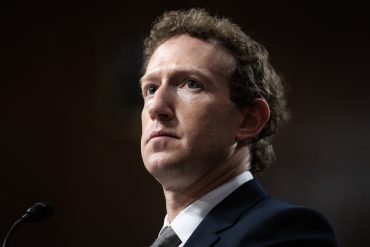
Meta faces its most significant legal challenge since the Cambridge Analytica scandal as an $8 billion shareholder lawsuit against Mark Zuckerberg and other company leaders begins in Delaware Chancery Court, according to The Independent. The trial centers on allegations that Meta illegally harvested user data in violation of a 2012 Federal Trade Commission agreement.
Led by Amalgamated Bank Inc., shareholders argue that Meta failed to disclose risks related to the misuse of personal information by Cambridge Analytica, which supported Donald Trump’s 2016 presidential campaign. The case represents a watershed moment for tech governance, with all nine Supreme Court justices unanimously allowing the lawsuit to proceed.
Key Developments
The lawsuit stems from the Cambridge Analytica scandal, where millions of Facebook users’ data were accessed without consent. Meta previously agreed to pay a $5.1 billion FTC penalty and a $725 million privacy settlement with users following the breach.
Shareholders contend that the data harvesting violated Meta’s 2012 FTC consent order and seek reimbursement for the resulting fines and legal costs. The trial will feature testimony from key figures including Zuckerberg, former COO Sheryl Sandberg, and board members Marc Andreessen and Jeffrey Zients.
Plaintiffs argue that Zuckerberg anticipated the scandal would lower the company’s stock and sold shares accordingly. The defendants maintain that Zuckerberg did not trade on inside information and used a stock-trading plan designed to prevent insider trading.
Market Impact
The $5.1 billion FTC fine represented approximately 9% of Meta’s 2019 revenue and set a precedent for regulatory penalties in the tech sector, according to The New York Times. The current $8 billion claim reflects the enormous financial exposure companies face from privacy missteps.
Beyond direct costs, the case highlights indirect financial risks including reputational damage, loss of user trust, and potential regulatory restrictions. These factors can significantly impact user growth, advertising revenue, and market valuation across the technology sector.
Investor scrutiny has intensified following the scandal, with shareholders increasingly holding executives accountable for governance failures. This shift signals more active oversight of tech company boards and management practices.
Strategic Insights
The trial underscores how data privacy and regulatory compliance have become core strategic concerns for tech companies. Meta states it has invested billions in protecting user privacy since 2019, reflecting the industry-wide shift toward privacy-first product development.
Companies must now invest more heavily in privacy engineering, transparency, and robust internal controls to rebuild and maintain user trust. This requirement is critical for long-term growth and platform engagement as regulatory scrutiny intensifies.
The case unfolds against rapid technological evolution, including agentic AI and automation, where AI transforms business models through autonomous decision-making and workflow automation. By 2028, at least 15% of day-to-day work decisions are expected to be made autonomously.
Expert Opinions and Data
Privacy expert Neil Richards testified that “Facebook’s privacy disclosures were misleading,” supporting the shareholders’ central argument. The testimony from Richards highlights the technical and legal complexities surrounding data disclosure requirements.
Forbes reports that industry observers view the trial as a watershed moment for tech governance and accountability. The case reflects growing demands from investors and regulators for stronger oversight of data practices and executive responsibility.
Globally, the scandal has triggered regulatory action across multiple jurisdictions. The UK fined Facebook £500,000 for data breaches, while Australia saw Meta settle for $50 million without admitting wrongdoing, demonstrating the far-reaching implications.
Conclusion
The Delaware trial represents a pivotal moment in tech industry accountability, with potential implications extending far beyond Meta. The case establishes precedent for how shareholders can hold executives responsible for data privacy violations and governance failures.
The outcome will shape future tech governance practices and potentially trigger stricter data protection laws worldwide. As testimony continues through next week, the technology sector watches closely for signals about the evolving landscape of corporate accountability and regulatory compliance.