- Mobility Tech
Ferrari Delays Second Electric Vehicle to 2028 Amid Weak Demand
5 minute read
Luxury automaker Ferrari extends EV timeline as affluent buyers show limited interest in premium electric sports cars
Three Key Facts
- Ferrari delays second EV launch to 2028 — pushes back timeline by two years from original 2026 target due to weak consumer demand for luxury electric vehicles
- First Ferrari EV debuts spring 2025 — priced above $500,000 with customer deliveries starting October 2026, co-designed by former Apple executive Jony Ive
- Record profits support cautious strategy — Ferrari reports £1.26 billion profit in 2024 (21% increase) while launching €2 billion share buyback program
Introduction
Ferrari has postponed the launch of its second fully-electric model from 2026 to at least 2028, citing weak demand for high-performance luxury electric vehicles. The Italian luxury carmaker’s strategic delay reflects broader challenges facing the premium EV segment, where traditional engine enthusiasts remain hesitant to embrace electric alternatives.
The decision affects Ferrari’s electrification timeline as the company navigates between regulatory pressures and customer preferences. Despite investing heavily in EV infrastructure, Ferrari prioritizes market readiness over aggressive launch schedules.
Key Developments
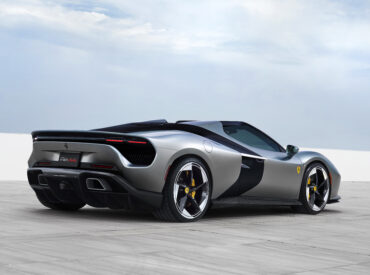
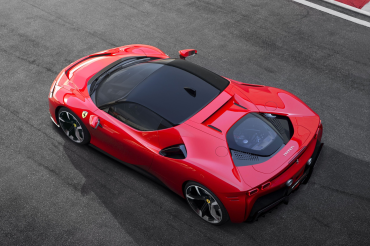
Ferrari originally planned to introduce its second electric vehicle by the end of 2026, following a three-stage rollout strategy. The company began selling hybrid models in 2019 and maintains its commitment to unveiling the first fully electric Ferrari in spring 2025.
The inaugural EV, co-designed by former Apple Chief Design Officer Jony Ive, carries an expected price tag exceeding $500,000. Customer deliveries begin in October 2026, positioning the vehicle as a low-volume, symbolic milestone rather than a mass-market offering.
Sources close to the matter indicate Ferrari faces challenges from insufficient “real, sustainable demand” for electric sports cars. Current battery technology presents additional hurdles, with heavy batteries struggling to deliver the sustained power performance that Ferrari customers expect.
Market Impact
The luxury EV segment shows mixed signals across major manufacturers. Lamborghini has delayed its first EV to 2029, while Porsche reduced production targets for its electric Macan SUV and Taycan due to sluggish sales.
Maserati canceled an electric MC20 sports car earlier this year, reflecting sector-wide uncertainty. These moves demonstrate a cautious approach to electrification among high-performance brands where consumer preferences remain tied to traditional engines.
The broader U.S. EV market share stands at 7.5% in Q1 2025, slightly up from 7.0% year-over-year but down from 8.7% in the previous quarter. This deceleration affects luxury segment planning and investment decisions.
Strategic Insights
Ferrari’s delay allows additional development time for in-house technology while addressing market timing concerns. The company invests £165 million in a new “E-building” near Maranello, designed to assemble EVs, hybrids, and traditional models on the same production line.
This facility increases annual capacity by approximately 6,000 units while providing production flexibility based on market demand. The approach serves as a hedge against uncertain EV adoption rates in the luxury segment.
The strategy balances Ferrari’s combustion engine heritage with innovation requirements. According to Investing.com, the company maintains focus on exclusivity and product excellence over volume targets.
Expert Opinions and Data
Industry analysts view Ferrari’s postponement as pragmatic, recognizing unique challenges in the luxury EV sector. The company’s clientele shows less sensitivity to price or regulatory changes compared to mass-market consumers.
Ferrari’s financial strength supports this measured approach. The company reported record profits of £1.26 billion in 2024, representing a 21% year-over-year increase, while launching an aggressive €2 billion share buyback program.
Investors largely support the strategy, emphasizing the importance of meeting high customer standards rather than rushing to market. This financial stability enables Ferrari to prioritize quality over speed in EV development.
Conclusion
Ferrari’s decision to delay its second EV reflects the complex dynamics facing luxury automakers in the electric transition. The company balances regulatory compliance with customer expectations while maintaining financial strength through record profits.
The postponement positions Ferrari to develop more mature EV technology while allowing market demand to evolve. Ferrari plans to share detailed long-term strategy updates, including its EV roadmap, at an investor presentation scheduled for October 9, 2025.